
Tirana has a talent for change, and this walking tour gives you the plot in plain view. I really like the mix of Et’hem Bey Mosque frescoes with the city’s darker communist layers, and I also love how you get the backstory from Mirko, a local guide with family ties in Tirana for 100 years. The only drawback to plan for is that it is a lot of walking to religious and historic sites in a short window.
You’ll spend about two hours moving between major landmarks and lesser-known streets, with short visits and photo stops along the way. The guide runs the show in English, asks you to take your time, and you can stop to ask questions instead of rushing past everything. Dress for church and mosque stops, because you’ll want clothes that feel respectful and comfortable.
If you want Tirana as a real place, not just a list of sights, this works well. It’s designed for small groups, you’ll learn the stories behind what you see, and you’ll leave with a clearer sense of why different eras overlap here. If you have mobility or health limits, double-check the walking and the pace before you book.
Key Highlights Worth Planning For
- Et’hem Bey Mosque frescoes, up close and explained in context
- House of Leaves, a former surveillance site turned into a secret museum stop
- Postbllok checkpoint and communist-era sites, where politics gets physical
- Skanderbeg Square and the Clock Tower, the easy starting point and a visual anchor
- Pyramid of Tirana, a strange transition marker with stories attached
- Small group pacing, built for questions and short, focused visits
Why This 2-Hour Mix of Old Town and Communist Tirana Feels Smarter
This tour is interesting because it does not treat Tirana like two separate cities. You see Ottoman-era and Italian-era details near places that remember surveillance, censorship, and ideology. That contrast is not just dramatic, it helps you understand what the city went through and how people adapted.
Two things I like a lot: the art and detail at Et’hem Bey Mosque, and the story-driven communist stops that turn history into something you can point at. The guide, Mirko, brings a family connection to the city that goes back five to six generations, so the explanations tend to sound like real local knowledge, not a script.
One consideration: the itinerary packs a lot into two hours. Each stop is relatively short, usually around 10 to 15 minutes, so you will want to focus your attention rather than try to read every plaque slowly. If you’re the type who needs long sits in museums, you may feel a little rushed.
But for most people, this is the sweet spot. It’s long enough to connect the dots, and short enough to fit into a first or second day in Tirana without burning half your trip.
More Communist History Tours in Tirana
- Tirana’s Communist Past; Small Group Walking Tour
★ 4.9 · 59 reviews - A Communist Manifesto: Tirana before and after
★ 5.0 · 50 reviews - From Albania: Permet /Thermal Baths with Bunker Food Tasting
★ 5.0 · 19 reviews
Starting at Skanderbeg Square, Clock Tower Door, and Getting Your Bearings Fast
The walk begins at Skanderbeg Square, at the Clock Tower (Kulla e Sahatit). The guide stays at the door of the clock tower and sends an email notification with extra details. There is no pickup, so you’ll want to show up on time at that clock tower meeting point.
Here’s why this matters: Skanderbeg Square is not just a meeting spot. It’s a natural hub where you can orient yourself quickly. Once you know where the square and clock tower sit, the rest of the historic center makes more sense, even when the streets get smaller and more winding.
Practical tip: wear shoes you trust. Even though each site visit is short, the total walking adds up, and some of the streets can feel a bit uneven. Bring water, and keep your plan simple. This is a feet-first tour.
Resurrection of Christ Cathedral to Saint Paul’s Cathedral, Noticing Faith Layers in Real Time
Early on, you stop for the Resurrection of Christ Orthodox Cathedral. Expect a photo stop and a short visit, around 15 minutes. This is a good opener because it sets a tone for Tirana as a crossroads of traditions, not one single style.
Next comes Saint Paul’s Cathedral with another photo stop and visit. The point is not to rush through beautiful architecture, it’s to notice how different religious communities shape the look and feel of the center. In a two-hour tour, those quick visits give you the sense of continuity, and also the differences, between places of worship.
A drawback to consider: this tour includes mosque and cathedral stops. The instructions recommend appropriate attire, so plan clothing that feels respectful and practical. You’ll thank yourself for choosing something you can move in easily during the walk.
If you like architecture and want the explanation behind what you’re seeing, this portion does its job. If you only want “big name” landmarks, these cathedrals may feel quieter, but they still help the story connect.
Et’hem Bey Mosque Frescoes, Hand-Painted Storytelling You Can Actually See
Then you get to the star for many people: Et’hem Bey Mosque. The tour highlights its hand-painted frescoes, and it’s described as an 18th-century Ottoman-era treasure, also referenced as a 19th-century gem depending on how the period is framed. Either way, you’re going to be looking at the kind of interior decoration that makes religious art feel personal, not distant.
This is one of those stops where the guide’s commentary matters. Fresco work like this is not just “pretty pictures.” It’s a visual way of showing belief, taste, and identity, all packed into the details you might otherwise miss if you just snap photos and move on.
You’ll get a short photo stop and visit, about 10 minutes for this stop. That’s quick, but it’s enough time to notice the main elements and understand what you’re looking at. If you want longer, you can always come back later after your walk, but for a first pass, it’s well paced.
More Walking Tours in Tirana
- Walking Tour of Tirana
★ 5.0 · 646 reviews - Tirana: Express Walking Tour with a Guide
★ 4.8 · 503 reviews - Tirana Center: Magic Walking Tour French/Italian/English Etc
★ 4.9 · 402 reviews - Walking tour of Tirana
★ 4.8 · 285 reviews
Tanners’ Bridge and Namazgah Mosque, The Streets Between the Big Sights
Between the major icons, you’ll step into the space where Tirana feels more everyday. One of those stops is Tanners’ Bridge, which gets a photo stop and visit of about 10 minutes. Bridges sound simple, but in old towns they often point to trade routes, water management, and how people moved through the city.
Next is Namazgah Mosque, with a photo stop and a visit of about 15 minutes. This stop helps balance the tour so it doesn’t feel like all monument photos with no texture. It also reinforces that Tirana’s religious life is part of the city’s layout, not just a separate “attraction.”
Here’s what to watch for: this part of the route can feel more about angles and street views than about big interior moments. If you like quiet corners and local legends, this is where that energy shows up.
House of Leaves: When a Surveillance HQ Becomes a Museum Stop
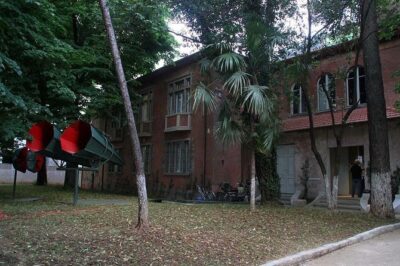
House of Leaves is one of the most memorable parts of the walk. You’ll do a photo stop and visit of about 10 minutes. The tour frames it as a former surveillance headquarters turned into a secret museum, which gives you instant context for why it feels emotionally heavy.
What you’ll get from this stop is a tangible sense of how ordinary life can be reshaped by monitoring, fear, and propaganda. Even in a short visit, it can change how you interpret the rest of the communist-era sights, because it puts the human side back into the story.
If you’re the type who hates gloomy spaces, this may feel like a hard pivot. But if you want the communist period explained without sugarcoating, this is the right kind of stop to include in a first-day overview.
Postbllok Checkpoint and Bunk’Art 2, Seeing Communist Power as Architecture
The next shift is toward the “visible mechanisms” of dictatorship. You’ll stop at Postbllok, described as a checkpoint, with a photo stop and visit of about 10 minutes. It’s exactly the sort of place where history feels physical, because checkpoints are built to control movement, not just to look impressive.
You’ll also include Bunk’Art 2, described as an underground bunker from the communist era. Even without getting stuck in long museum time, an underground setting can make the political story feel different. The idea is not only what happened, but how the system was designed to operate in secrecy and protection.
One planning note: underground or bunker-style spaces can be cooler and sometimes dimmer than you expect. Bring the mindset that you’re there for short, guided understanding, not a slow, self-guided marathon.
Pyramid of Tirana and Tirana Castle, Mapping Those Strange Transitions
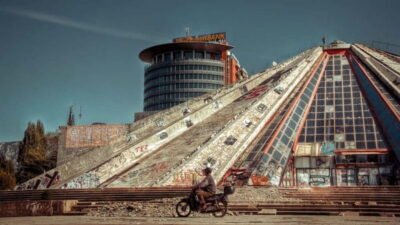
Then comes the Pyramid of Tirana, with a photo stop and visit of about 15 minutes. The tour presents it as a symbol of Albania’s strange transitions, and that framing is helpful. This kind of monument can look weird or abstract if you only treat it as a photo spot. With the story attached, it starts to feel like a timeline made of concrete.
After that, you’ll head to Tirana Castle for a photo stop and visit of about 10 minutes. Even in a short time, a castle stop does something practical: it gives you scale. You see how the city’s older defensive instincts relate to where modern life has grown.
This section is where the tour becomes most “walking with meaning.” You’re not just collecting stops. You’re building a mental map of what changed, what stayed, and what people used to symbolize their eras.
If you’re sensitive to how history is portrayed, keep your expectations open. The tour is designed to show multiple sides, not one neat story.
What You Get for $8, and What Makes This Value Work
At $8 per person for a two-hour, English-guided walk, the value is strong. You’re paying for more than movement between landmarks. You’re paying for a local guide who explains what you’re seeing, helps you connect Ottoman and communist layers, and keeps the group moving at a pace that allows questions.
Is it a deep, all-day history seminar? No. It’s a focused circuit. That’s part of the value, because you get the most important orientation beats early, then you can choose what to revisit later on your own.
The guide quality is the reason people come away happy. On the review side, Mirko is repeatedly described as very professional, with explanations that feel interesting and genuinely informed. One reviewer even called him extremely recommended, which matches what this tour is built to do: make Tirana’s complicated eras feel understandable and human.
So who should book it? You’ll likely enjoy it if you:
- like history explained in everyday language
- want to see several major eras without planning a full day
- travel solo or as a backpacker and prefer a small-group pace
- enjoy religious art and architecture plus political history
Who Should Skip This One (Or Plan Carefully)
The tour is not listed as suitable for people with back problems, heart problems, or high blood pressure. It also involves walking to multiple historical and religious sites in a two-hour window, so your comfort and stamina matter.
It also helps to know what not to bring. Backpacks and baby strollers are not allowed. If you travel with a bag, plan to carry only what you truly need. You’ll also want to avoid alcohol and drugs, and chewing gum is listed as not allowed.
If you’re unsure, it’s smart to think about your day beyond the tour. For example, if you plan to do long museum visits right after, you may feel the walking toll more than you expect.
Should You Book the Eyes of Tirana Communist Sides and Historic Center Tour?
I’d book it if your goal is to understand Tirana quickly, with a guide who can connect the city’s Ottoman-era sites to its communist-era memories. The $8 price is low enough that you can fit it early in your trip, and the small-group, question-friendly pacing makes it feel more like a guided walk than a fast sightseeing checklist.
Skip it if your health or mobility limits make walking between several sites tough. Also skip it if you hate emotional or political history. This tour includes spaces linked to surveillance and communist control, and it’s meant to be understood, not avoided.
If you want Tirana as a real story you can walk through, this one delivers.
FAQ
How long is the Eyes of Tirana walking tour?
The tour lasts 2 hours.
How much does the tour cost?
It costs $8 per person.
Where do I meet the guide?
Meet at Skanderbeg Square at the Clock Tower area. The guide says they will stay at the door of the Clock Tower.
Is there hotel pickup?
No, meeting point pick up is not included.
Is the tour guided in English?
Yes, the live tour guide speaks English.
Do I need to dress appropriately for mosques and cathedrals?
Yes. Since the tour includes visits to mosques and cathedrals, appropriate attire is recommended.
Is this tour suitable for people with health issues like back problems or heart problems?
No. It is not suitable for people with back problems, heart problems, or high blood pressure.
What should I bring for the walking route?
Bring comfortable shoes, water, and comfortable clothes.
More Walking Tours of Tirana
- Tirana Walking Tour
★ 4.8 · 209 reviews - Local food experience & walking tour of Tirana
★ 5.0 · 192 reviews - Tirana: Local food experience & walking tour
★ 5.0 · 154 reviews - Berat Walking Tour
★ 5.0 · 86 reviews
More Dictatorship-Era Sites in Tirana
- The truest face of Communism
★ 5.0 · 18 reviews - Full-Day Tour of Albania’s Bunkers and Beaches, from Tirana
★ 5.0 · 16 reviews - Communist History Tour Tirana & Street Food
★ 5.0 · 15 reviews - The Truest Face of Communism, Tirana Tour
★ 3.8 · 12 reviews
Newly listed around Tirana
- Private Day Tour of Saranda Gjirokaster,Butrint from Tirana★ 5.0 · 3 reviews
- From Tirana: Visit Prizren city and Kukesi lake★ 5.0 · 3 reviews
- Rafting And Swimming Adventure on the Black Drin River★ 5.0 · 3 reviews
- Private Transfer: Tirana Airport&City to/from Dhërmi★ 5.0 · 3 reviews
- 3 Hour Pub Crawl Tour in Tirana★ 3.5 · 3 reviews
- Tirana: Bovilla Lake & Gamti Mountain 4×4 Off-Road Tour★ 5.0 · 3 reviews
- Tirana/Durres: Saranda, Ksamil, Blue Eye & Vjosa River Tour★ 4.7 · 3 reviews
- From: Tirana and Shkoder: Theth & Blue Eye Full Day Tour.★ 5.0 · 3 reviews
Communist History Tours, compared.

ATV Guided Tour in Kallm with Secret Bunker Visit
Read our review →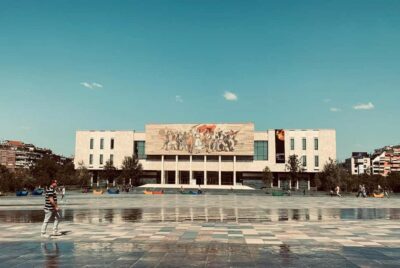
Tirana’s Communist Past; Small Group Walking Tour
Read our review →
Full-Day Tour of Albania’s Bunkers and Beaches, from Tirana
Read our review →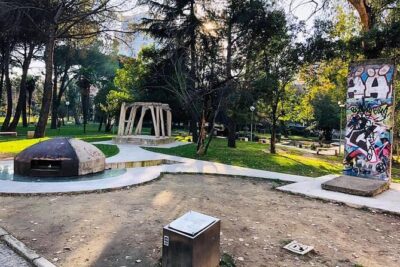
Browse the lists this tour appears in