
Reviewed · GJIROKASTRA DAY TRIPS
Cook Like a Local – Authentic Cooking Class in Gjirokastra
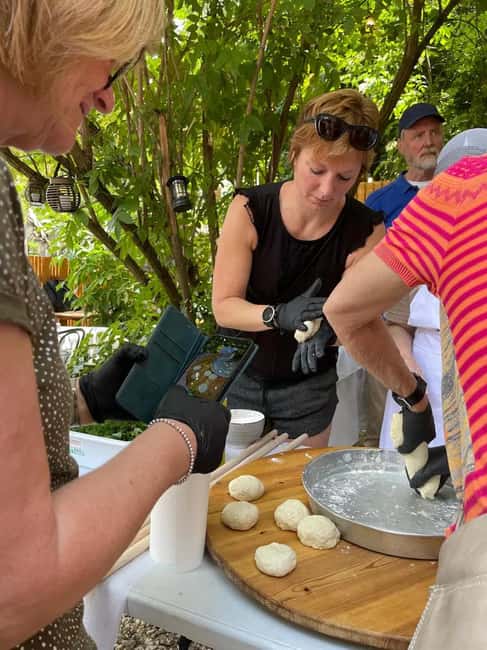
If you like travel days that end with real food in your hands, this cooking class in Gjirokastra’s Old Bazaar is a smart pick. You’ll work with a local chef, cook two iconic regional dishes, then sit down for the meal you made. I especially like the hands-on cooking and the way you learn why ingredients matter, not just how to mix them.
Two things I like a lot: you cook qifqi using the traditional cast-iron mold, and you roll and season the other main dish, Osa me mish qengji, around slow-cooked lamb and local spices. One drawback to consider is that the class takes place in an old, cobblestoned bazaar setting, and it’s not listed as suitable for wheelchair users or people with mobility impairments.
Key Points to Know Before You Go
- Old Bazaar setting: you cook and eat inside an atmospheric UNESCO World Heritage area with Ottoman-era charm
- Two signature dishes: qifqi (herb rice balls) and Osa me mish qengji (hand-rolled pasta with slow lamb)
- Fresh, local ingredients: herbs and produce are seasonal, and you’ll learn how they’re preserved
- Proper meal included: lunch comes with salad and dessert, plus tea or raki
- Recipe cards to take home: you leave with written instructions so the flavors are repeatable
Gjirokastra’s Old Bazaar Kitchen Mood and Location
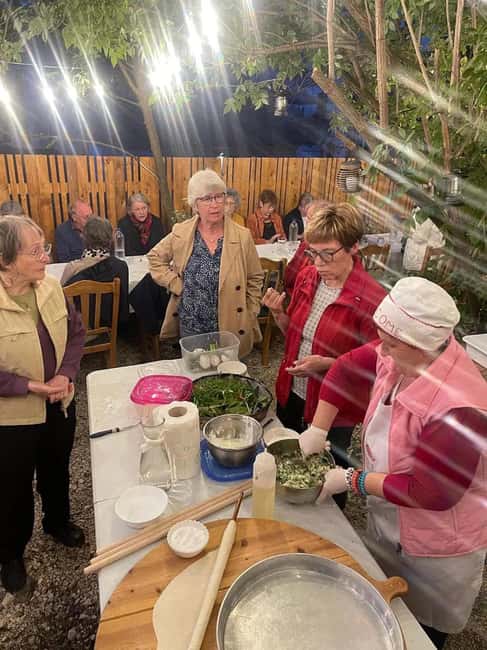
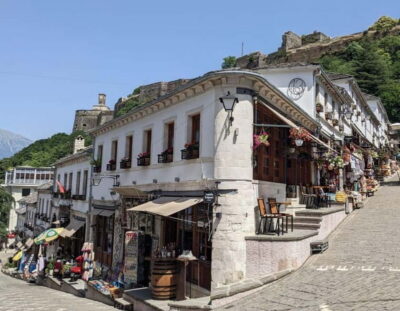
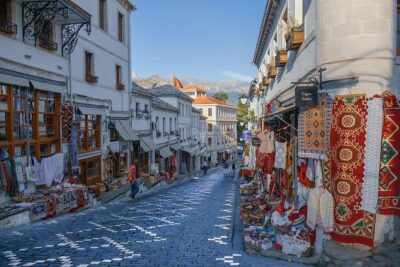
Gjirokastra’s Old Bazaar is the kind of place that makes a short experience feel bigger. The lanes are tight, the buildings show Ottoman-era character, and the whole area has the “walking and looking” feeling even before you start cooking. This is not a modern studio where everything is flat and controlled. You’re in a heritage setting, so you’ll want to arrive ready to slow down and pay attention.
In practical terms, this location is part of the value. When a class is tied to where the food culture actually lives, you naturally get context while you cook. You also get that extra motivation to ask questions, because the chef can point to ingredients, habits, and local traditions in a way that feels immediate.
Other Gjirokastra day trips from Gjirokaster:
- Sarandë: Tour Gjirokaster,Blue Eye & Lekursi Castle
★ 4.7 · 220 reviews - Gjirokaster walking Tour Baazar – The Castle – Zekate house
★ 4.6 · 21 reviews - Gjirokastër: Traditional Albanian Vegetarian Cooking Class
★ 4.4 · 17 reviews
The 2-Hour Cooking Plan: qifqi, Osa me mish qengji, and dessert
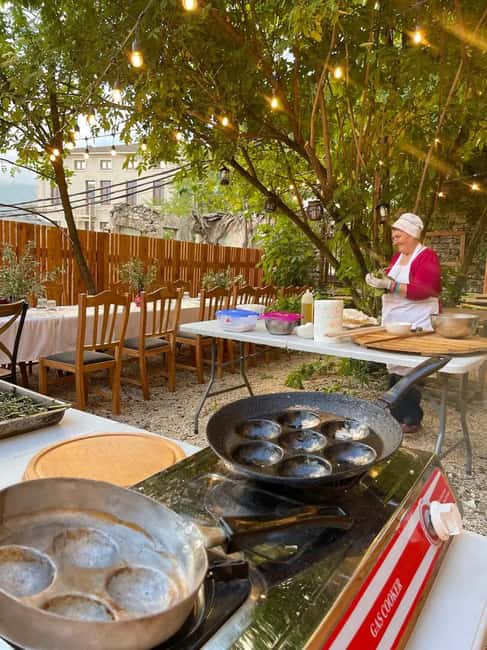
This runs about 2 hours, which is perfect if you want a real culinary experience without losing half your day. You’re not just tasting. You’re cooking, then eating what you made. The pacing matters here, because qifqi involves frying and Osa me mish qengji involves pasta work and a slow-cooked lamb component.
You’ll focus on three things:
- Qifqi: savory rice balls with fresh herbs like mint and oregano, then fried using a traditional cast-iron mold specific to the region
- Osa me mish qengji: hand-rolled pasta served with tender, slow-cooked lamb, plus local spices that reflect the mountainous flavors of southern Albania
- A seasonal dessert: this changes with time of year and what’s available, with options like fruit compote using local honey and nuts, or a traditional sweet such as sheqerpare
That dessert detail is more than a throwaway bonus. It signals that the class is trying to mirror real seasonal eating. In Albania, local cooking traditions are closely tied to what’s on hand, and you’ll feel that approach while planning flavors and textures during the session.
qifqi in a cast-iron mold: where technique meets local tradition
Qifqi is the dish that makes this class feel distinct. Instead of generic “rice balls,” you’re making a regional style version infused with fresh herbs, including mint and oregano, then fried in a cast-iron mold. That mold is key. It’s the difference between home-style cooking and a technique handed down for shape, crispness, and consistency.
You’ll learn the rhythm of the process, including how to treat the mixture so it holds together during frying. You’ll also get a sense of why the herb mix works so well. In southern Albanian cooking, herbs aren’t just garnish. They’re flavor structure. Mint can bring brightness, while oregano leans deeper and savory.
And because qifqi is fried, be prepared for the reality of cooking heat in a small workspace. Even if you’re a confident cook, frying adds intensity and timing pressure. The good part is that you’re learning from a local expert, so you’re not guessing when the oil is ready or how long to fry each batch.
Osa me mish qengji: hand-rolled pasta plus slow lamb comfort
The other centerpiece is Osa me mish qengji, a hearty dish built around hand-rolled pasta and lamb that’s cooked until tender. What I like about this choice is the balance. Qifqi is quick, crispy, and herb-forward. Osa me mish qengji is comforting and slow-flavored, with spices that taste like they belong to the mountains.
You’ll be involved in the pasta side, meaning you’re not just waiting for a finished plate. Hand-rolled pasta is one of those skills that instantly connects you to tradition, because you can feel the dough, the thickness, and the rolling pressure. Once it’s paired with lamb and spices, everything snaps into place.
The lamb also matters for the learning experience. “Slow-cooked” isn’t just marketing. It’s the backbone of the dish, since the lamb becomes tender and takes on the seasoning profile. When you eat it later, you’ll taste a smoother, deeper flavor than you’d get from fast cooking.
More cooking sessions in Gjirokaster:
- Cooking Class
★ 4.5 · 12 reviews - Vegetarian Cooking Class @Teta Marjeta
★ 5.0 · 11 reviews - Tirana: Traditional Cooking Class with Wine & Raki Tasting
★ 5.0 · 284 reviews - Cooking Classes and Traditional food tasting in Tirana
★ 5.0 · 282 reviews
Herbs, spices, and the preservation habits you actually use
One of the most useful parts is what you learn while cooking. This class goes beyond recipes and talks about herbs and spices as living ingredients. You’ll handle local herbs and learn how they’re dried, preserved, and blended, so you understand where the flavor comes from even when ingredients aren’t fresh.
This is practical knowledge for your own kitchen. If you’ve ever wondered why some dishes taste “smarter” even when they use simple ingredients, preservation methods are often the reason. Dried herbs can taste more concentrated, and blends can create a consistent flavor even in winter.
You’ll also hear how cooking is tied to daily life and hospitality. Food isn’t treated as an isolated task here. It’s part of welcoming, sharing, and family traditions that keep changing while staying rooted.
Stories at the stove: folklore, symbolism, and family secrets
The best cooking classes feel like a conversation with someone who truly cares. Here, the chef talks through the dishes as cultural objects, not just meal components. You’ll learn the stories behind each dish, including how recipes have been preserved through families and how certain ingredients can carry meaning beyond taste.
If you enjoy understanding why people cook the way they do, you’ll appreciate this. It changes how you approach flavor. Instead of thinking, I’m making pasta because it’s pasta, you start thinking, this spice blend fits the local environment, this herb mix fits the season, and this dish fits the hospitality rhythm.
Also, the class uses a warm, authentic atmosphere. That matters because it affects how comfortable you feel while learning new techniques like mold frying and pasta handling.
Lunch you actually made: communal eating, salad, and drinks
After cooking, you sit down to eat a meal that includes what you prepared: pasta with lamb, qifqi, seasonal salad, and dessert. Drinks are part of the deal too, with tea or raki included. You might also find local wine in the mix depending on the setup, but raki and tea are clearly part of the included experience.
I like communal meals in cooking classes because it closes the loop. You made the food, you learn the reasoning, then you taste the result with other people and the chef present. If something tastes off, you can ask right then, and the answer tends to be specific. That helps you learn faster than reading a recipe card alone.
The salad is also a real inclusion, not an afterthought. It keeps the meal from feeling heavy and gives a fresh contrast to fried qifqi and slow lamb pasta. It’s one of those “small” choices that makes the whole lunch feel balanced.
What you take home: recipe cards you can use
You leave with written recipe cards for what you cooked. That’s a huge part of the value, because it turns the class into something you can repeat instead of a one-time memory.
Use the cards wisely. Don’t treat them like strict instructions. Treat them like a starting point. When you cook at home, local herb availability might differ. The most important takeaway is the flavor logic you learned about herb blends and seasoning, plus the technique for shaping and frying qifqi and working with the dough for the pasta dish.
If you’re cooking for friends, this is also a great “show and tell” menu. You can explain what you learned about herbs and preservation, and people will remember the story because they can taste it.
Price and value at $73 for a 2-hour food lesson
At $73 per person for about 2 hours, the key question is what you get for that time. You’re not paying only for instruction. You’re paying for ingredients, cooking time, a full included lunch (pasta with lamb, qifqi, seasonal salad, dessert), and drinks like tea or raki. You also get recipe cards, which help the value last beyond the day.
For Albania, where many casual food experiences can cost less but also give you less food you helped create, this class feels like fair value if you want a hands-on cultural activity. If your goal is simply to eat and take photos, you might do better with a regular restaurant meal. If your goal is to learn a specific regional style, this is a practical, high-impact use of time.
This also works well for travelers who don’t want a half-day guided tour. The session is short enough to fit into a busy Gjirokastra schedule, but you still get a deep taste of southern Albanian cooking.
Who this class suits best, and who should reconsider
This is a great fit if you:
- enjoy hands-on workshops more than passive sightseeing
- want two recognizable Gjirokastra dishes, not a general “Albanian cooking” overview
- like learning food context, herbs, and preservation methods
- want a menu you can repeat at home using the recipe cards
It may be less ideal if you have mobility limitations, since it is not suitable for wheelchair users and people with mobility impairments. Also, because you’re working in an older bazaar setting, you should expect the space to be less standardized than a modern cooking school.
If you get flustered by frying or prefer very controlled kitchen tools, consider that qifqi involves frying in a cast-iron mold. You can still do it if you follow the chef’s lead, but it helps to have a relaxed attitude.
Language comfort with an English, Italian, Greek, and Albanian instructor
The class is taught by an instructor who can work in English, Italian, Greek, and Albanian. That matters because cooking is a “learn by doing” activity, and clear instructions make a difference, especially for pasta handling and mold frying.
Kalemi Travel & Tours runs the experience, so you can expect local coordination. One advantage here is that the class style tends to feel friendly and personal. That kind of host energy is not fluff. It changes how quickly you pick up technique because you feel comfortable asking questions.
Quick practical tips so you enjoy every minute
Because this is a hands-on class in a heritage bazaar area, keep a few things in mind:
- Wear clothes you can comfortably work in, since cooking can get warm and a little messy
- Plan to eat soon after the class starts, because this is a full lunch experience
- Ask early about what the dessert option is likely to be, since it shifts by season and availability
Also, bring a little appetite for stories. Some of the most memorable parts are the explanations about hospitality, ingredient symbolism, and how traditions stay alive through family practice.
If you want a smooth day, schedule this at a time when you are not rushing to catch your next connection right after lunch. You’ll want that post-meal time to sit, chat, and actually taste.
Should you book Cook Like a Local in Gjirokastra?
Book it if you want a short, high-value workshop that feeds you well and teaches you two real regional dishes. The combination of qifqi with mint and oregano, mold frying technique, and the comforting pasta with slow lamb gives you a menu with variety in both flavor and texture. Add the seasonal salad and dessert, plus drinks and recipe cards, and the price starts to make sense fast.
Skip or rethink it if mobility is an issue for you, since the experience is not suitable for wheelchair users and people with mobility impairments. Also rethink it if you only want to sample food without cooking, because the core point here is hands-on learning.
If you’re in Gjirokastra and you want a cultural experience that ends with something you can recreate at home, this one is an easy yes.
FAQ
What dishes will I learn to cook?
You’ll learn to make qifqi, savory rice balls with fresh herbs fried in a traditional cast-iron mold, and osa me mish qengji, hand-rolled pasta served with tender, slow-cooked lamb. You’ll also prepare a seasonal Albanian dessert.
How long is the cooking class?
The experience lasts about 2 hours.
Where does the class take place?
It takes place in Gjirokastra District in the Old Bazaar area, within a UNESCO World Heritage setting.
What’s included in the price?
Lunch is included, with pasta with lamb, qifqi, seasonal salad, and dessert. Drinks are included as well, such as tea or raki.
What languages are available?
The instructor can teach in English, Italian, Greek, and Albanian.
Is it suitable for wheelchair users or limited mobility?
No. The activity is not suitable for people with mobility impairments and wheelchair users.
Will I get anything to take home?
Yes. You receive written recipe cards for everything you prepared, so you can recreate the dishes later.
What is the cancellation policy?
You can cancel up to 24 hours in advance for a full refund.
Can I reserve without paying immediately?
Yes. It offers a reserve now & pay later option, so you can book a spot without paying today.
More Workshops in Gjirokaster
- Gjirokaster: Wood Crafting Class
★ 5.0 · 16 reviews - Traditional Albanian Cooking Class in Tirana & Raki Tasting
★ 5.0 · 266 reviews - Traditional Albanian Cooking Class in Tirana with Raki Tasting
★ 5.0 · 125 reviews - Berat Cooking Class- Traditional Albanian Cooking Class /By Vato
★ 5.0 · 120 reviews
Newly listed around Gjirokaster
- Gjirokastra Private Half-Day Walking Tour★ 5.0 · 3 reviews
- Private Cold War City Tour in Gjirokaster★ 4.5 · 4 reviews
- Gjirokaster walking Tour The Old Baazar, Cfake, Dunavat, Ali Pasha Bridge★ 5.0 · 4 reviews
- Gjirokaster – The Stone City of UNESCO, Private Tour from Tirana★ 4.5 · 4 reviews
- Gjirokaster Walking Tour★ 5.0 · 4 reviews
- RED LINE: VIP daily tour with SUV: Vlore-Gjirokaster-Permet★ 5.0 · 4 reviews
- Step Back in Time: Gjirokastër Day Trip from Saranda★ 2.8 · 5 reviews
- Old Bazaar-Cfake-Dunavat-Ali Pasha Bridge Walking Tour★ 4.6 · 5 reviews
Gjirokastra Day Trips, compared.
Lekursi Castle, Blue Eye, Gjirokaster, & More Tour
Read our review →
Daily Trip To:Blue Eye,Monastery,Gjirokaster&Lekursi Castle
Read our review →
The Stone City & Blue Eye- The monument of Nature.
Read our review →
Day tour from Saranda/Ksamil:Gjirokaster +Blue Eye & Lekursi
Read our review →
Browse the lists this tour appears in