
Reviewed · HISTORICAL TOURS
Tirana: A walk through the history of Albania.
Tirana’s story is layered, and this walk helps you read it street by street. I like how the tour turns big dates into real places you can point at, starting right at Sheshi Skënderbej. The history is organized into clear chapters, so you are not lost in a fog of names and years.
Two things I especially like: the small group size (up to 6) keeps the pace human, and the guide uses a mix of facts plus local context so Tirana feels alive, not like a textbook. One consideration: it is a real walking tour, and it is not suitable for wheelchair users or people with mobility impairments.
If you want Albania’s history in a practical, watch-where-you-step format, this is one of the easiest ways to get your bearings fast.
Key highlights you will feel quickly
- Skënderbej Square as your starting point, then a route that stitches together Albania’s main historical periods
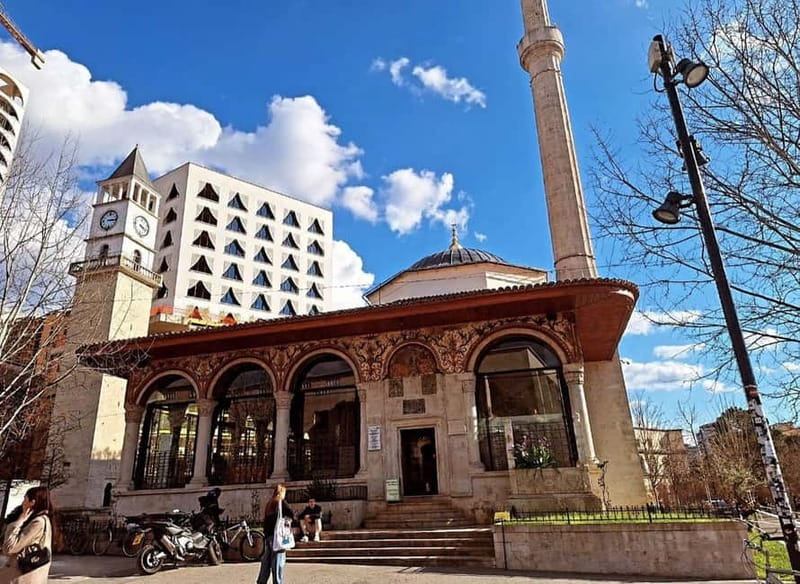
- Et’hem Bey Mosque and the Clock Tower area, a strong Ottoman-era anchor in central Tirana
- Landmarks tied to power and politics, from palace-style architecture to Tirana’s “heart” zones
- Communism shown through the House of Leaves, with the Enver Hoxha period explained plainly
- Blloku and today’s Tirana vibe, including the contrast with what the area meant in the past
- Raki tasting included, a small but fun way to end one of the tour’s story chapters
Sheshi Skënderbej: where Tirana’s timeline starts
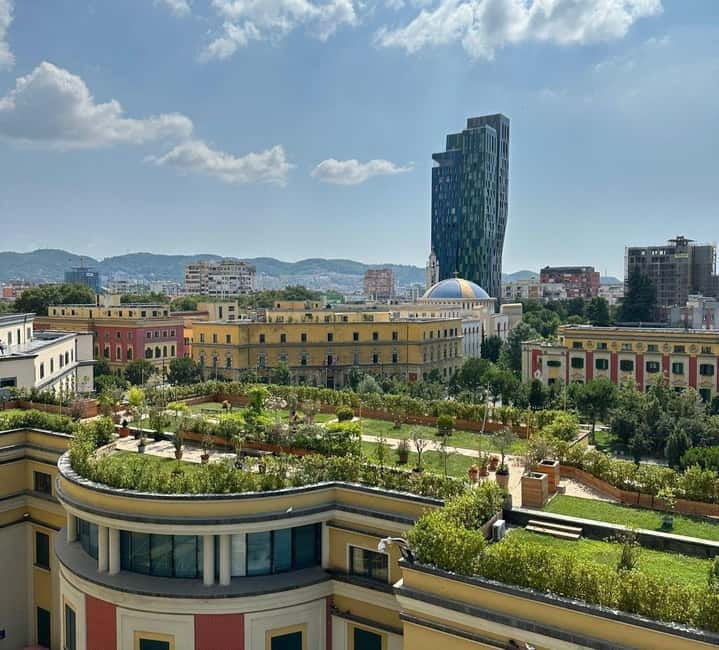
Most walking tours start at a famous spot and then vaguely “go from there.” This one starts with a purpose. You meet at Sheshi Skënderbej, the center of Tirana, and the guide sets expectations right away: what you will see, how the route connects, and how the history breaks into four key time periods.
The tour’s structure is simple and useful. It frames Albania through:
1) Prehistory, especially Illyrian tribes
2) Albania and the Ottoman Empire, tied to the Skanderbeg era
3) the Renaissance and the declaration of independence
4) Communism, described as the darkest time in Albanian history
That matters because Tirana can look modern at street level. But the city is also built on old layers of power, resistance, and reinvention. Once you understand that timeline, everything else you see makes more sense, even if you only catch glimpses between buildings.
More Walking Tours in Tirana
- Walking Tour of Tirana
★ 5.0 · 646 reviews - Tirana: Express Walking Tour with a Guide
★ 4.8 · 503 reviews - Tirana Center: Magic Walking Tour French/Italian/English Etc
★ 4.9 · 402 reviews
Et’hem Bey Mosque and the Ottoman imprint you can still see
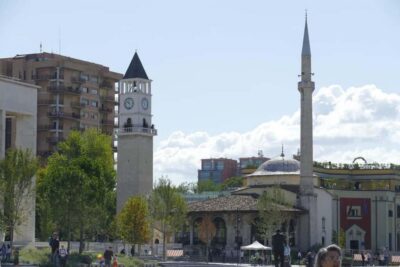
From Skënderbej Square, you head toward some of the most recognizable central landmarks tied to the Ottoman period. A big stop is the Et’hem Bey Mosque, paired with the nearby clock-and-tower area described as part of the same Ottoman-era identity.
Here is what makes this section work: the guide is not just pointing out beauty. The point is how Ottoman-era influence shaped the city’s layout and public spaces. You learn what you are looking at and why it still feels central to Tirana’s identity.
This is also where a good guide makes a difference. One guide name that comes up is Armando, described as friendly, kind, and super well prepared. The advantage for you is timing. When the guide knows the story well, you spend less time guessing what matters and more time absorbing the “why.”
Practical tip: dress for walking and shade. This central route has long stretches where you are exposed, and the tour lasts 150 minutes.
Renaissance and independence: seeing turning points instead of memorizing dates
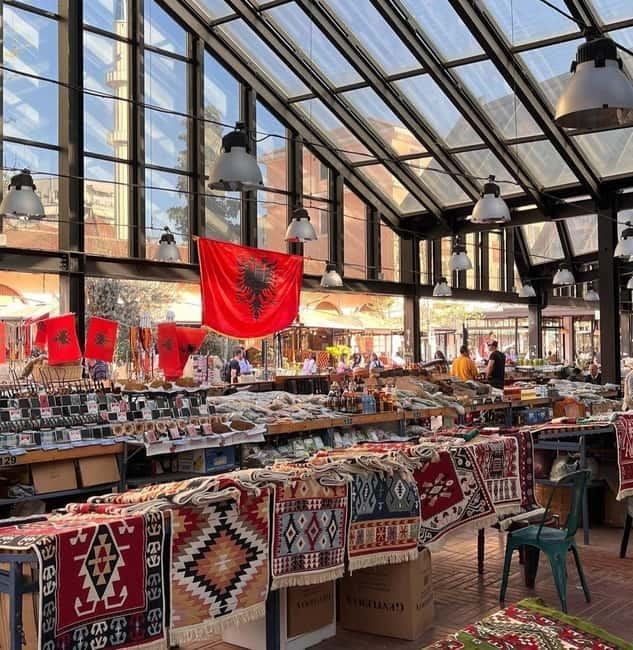
After the Ottoman-era anchor, the tour moves into the next chapters, where Albania’s identity shifts from outside influence toward declarations of independence and national self-definition. You do not just hear dates. You learn what those changes meant for buildings, power centers, and public life in Tirana.
In this middle stretch, you may run into stops tied to architectural and political power, like Selim Pashe Toptani’s Palace, described as having 32 oriental-style rooms, plus other landmark stops that help connect the Renaissance story to what stands in front of you now.
There is also room to connect these ideas to daily Tirana. For example, the guide points out how central areas and historic structures live side-by-side with modern movement. You start to understand why Tirana can feel new and old at the same time.
If you like history, you will appreciate this pacing. If you do not, it still works because the guide keeps bringing things back to street-level reality.
Grand Park and the everyday pulse: from Nënë Tereza to how locals live
A fun surprise of this kind of tour is that it is not only museums and monuments. It includes time in zones that feel like how people actually use Tirana today.
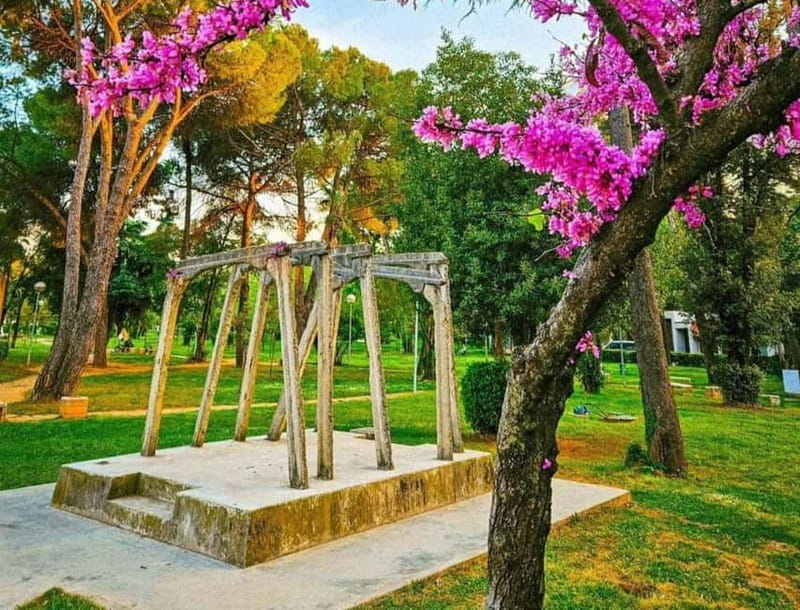
One planned stop is Sheshi Nënë Tereza, followed by a visit to the Grand Park of Tirana. These sections help you reset your brain between darker chapters. Think of them as breathing space, but with guidance. The guide uses the views and public spaces to explain how the city’s priorities changed over time.
Then you reach Blloku, one of Tirana’s most talked-about central areas. The tour frames it as a place associated with “La Dolce Vita,” and that description is not random. You get the sense of how this area shifted into a lively social zone compared with the past.
This is also where the small group format matters. With a group limited to 6, you are not stuck listening from the back. You can ask a quick question, and the guide can adjust, especially if you have a specific interest.
More walking tours of Tirana:
- Walking tour of Tirana
★ 4.8 · 285 reviews - Tirana Walking Tour
★ 4.8 · 209 reviews - Local food experience & walking tour of Tirana
★ 5.0 · 192 reviews - Tirana: Local food experience & walking tour
★ 5.0 · 154 reviews
Blloku and the Cultural Center of the Orthodox Church: faith, food for thought, and contrasts
Blloku is often described as a “hangout zone,” and the tour does not try to ignore that. What it adds is context. The point is the contrast between what the area represented historically and how it functions in modern life.
You also visit the Cultural Center of the Orthodox Church. That stop gives you a look at how different religious and cultural currents appear in the center of Tirana.
These kinds of visits can feel generic on some tours, like you are paying “photo tax.” Here, the value is the explanation of how such institutions fit into the wider story the guide is building across the whole walk.
If you want a tour that mixes “big history” with “how people see the world today,” this section is a strong part of the route.
Communism explained the hard way at House of Leaves
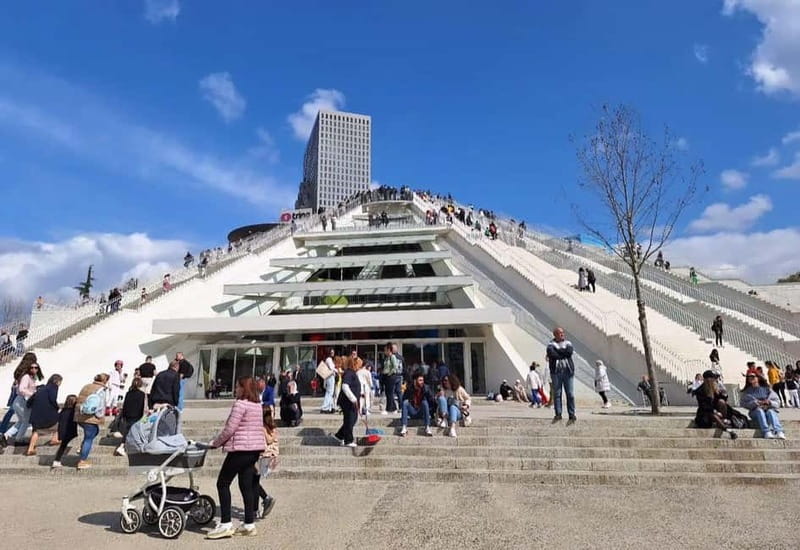
This is the tour’s emotional centerpiece: House of Leaves. The museum is described as focusing on the brutal regime of Enver Hoxha. The framing is clear, and the guide’s job is to make sure you understand what you are seeing and why that era mattered.
Why this stop earns its place: it is not just a name and a date. It is part of the tour’s timeline, so you get the sense of cause and effect. You watch how earlier periods shaped national identity, and then you see how Communism changed the daily reality of life and power structures.
You leave with more than “I saw a museum.” You understand the role of repression in shaping what Albanians experienced, and you get a better feel for why areas like Blloku are such a big contrast today.
Tip for your own experience: when you enter House of Leaves, give yourself a moment before you take photos or move quickly. This stop is the kind of place where slowing down helps.
Tirana’s heart: palaces, castles, and the scale of what you get in 150 minutes
The walking portion is 150 minutes, which is long enough to feel substantial but short enough that you are not fried by the end.
In that time, the tour aims to cover the main “heartbeat” landmarks tied to each era. The highlights you are told about include:
- National Historical Museum, described as exhibiting 6293 museum artifacts
- Selim Pashe Toptani’s Palace, with its 32 oriental-style rooms
- Tirana Castle, described as the heart of Tirana
Now, you might wonder how all of that fits into one short walk. The answer is that it is not a museum marathon. Instead, the guide helps you connect the landmarks into the four-period story. You are seeing enough to recognize the city’s main historical signals, not trying to cover every detail in the country’s full national history.
For many visitors, this is exactly the right approach. You leave with a mental map you can build on later with additional reading, museums, or simply more walking on your own.
Raki tasting: a small stop that makes history feel human
At the end of the tour, you get a raki tasting. Raki is described as a traditional alcoholic drink made in Albania.
Why I like this inclusion: alcohol is one of those cultural topics that ties into daily life. You can hear about politics and eras for two hours, but a small tasting gives the trip a human edge.
Also, it is easy to plan around. The tour includes the drink, but it does not include food, so you should eat before or after based on your comfort level.
A quick practical note: if you plan to explore more after, keep your pace calm. You will likely be walking in the center again, and raki tends to sneak up faster than people expect.
Price and what you get for $30 in central Tirana
The price is $30 per person for a 150-minute guided walking tour. That is not the cheapest way to spend a half day, but it is not overpriced either, especially when you factor in three value drivers that this tour clearly focuses on:
- A local English-speaking guide, not a generic audio script
- Small-group size, limited to 6 participants, which improves the experience and the Q&A
- Included raki tasting, plus structured coverage of major Tirana landmarks tied to historical periods
What you should budget for: food is not included, and there is no hotel pickup or drop-off. So you will want to start near the meeting point, plan to cover yourself with water, and handle your own meals.
For me, this price makes sense if you are new to Tirana and want context. If you already know Albanian history well and you just want photos, you might prefer a self-guided plan. But if you want the “why” behind what you see, a guided route like this tends to pay back fast.
Who this walking tour suits best
This tour is a good fit if you:
- want Tirana’s history in an easy-to-follow timeline
- enjoy walking between central landmarks without dealing with logistics
- like guides who can explain, adapt, and add personal local context (the guide’s personality is a recurring strength)
It is not a great fit if you:
- use a wheelchair or have mobility limitations
- dislike museums or darker history topics, because House of Leaves is part of the route and the subject matter is heavy
If you are visiting for a short time, this is also a strong first or second-day activity. It helps you understand what you are looking at before you wander on your own.
Should you book this Tirana history walk?
Yes, I think it is worth booking if you want a smart, guided introduction to the city. The route starts in Sheshi Skënderbej, tracks Albania through the major historical periods, and lands at House of Leaves where the Communism chapter gets explained directly. Add in the small group size and the included raki tasting, and you get a tour that feels both practical and personal.
Skip it if you need step-free access, or if you prefer a fully independent trip with zero structure. Otherwise, this is one of the easiest ways to turn a short window in Tirana into a real understanding of how the city became itself.
FAQ
Where does the tour start and end?
The tour starts at Sheshi Skënderbej and you arrive back at Sheshi Skënderbej at the end.
How long is the experience?
The duration is 150 minutes.
How big is the group?
The tour is a small group and is limited to 6 participants.
What’s included, and what’s not?
Included: an English-speaking tour guide and raki tasting. Not included: food during the tour, and hotel pickup and drop-off.
Is the tour suitable for wheelchair users?
No. It is noted as not suitable for people with mobility impairments or wheelchair users.
Is there free cancellation and do I pay immediately?
There is free cancellation up to 24 hours in advance for a full refund. It also offers a reserve now & pay later option so you can book without paying today.
More Historical Tours in Tirana
- From Tirana: Durres History Trip with Beach or Promenade
★ 4.8 · 455 reviews - Guided tour in Tirana – discoveries, history, culture (in FRENCH)
★ 5.0 · 204 reviews - From Tirana: Durres city & Golem beach, Sun & History Day Trip
★ 5.0 · 134 reviews - Tirana Walking Tour: History, Culture &Gems by a Passionate Guide
★ 5.0 · 52 reviews
Newly listed around Tirana
- Private Day Tour of Saranda Gjirokaster,Butrint from Tirana★ 5.0 · 3 reviews
- From Tirana: Visit Prizren city and Kukesi lake★ 5.0 · 3 reviews
- Rafting And Swimming Adventure on the Black Drin River★ 5.0 · 3 reviews
- Private Transfer: Tirana Airport&City to/from Dhërmi★ 5.0 · 3 reviews
- 3 Hour Pub Crawl Tour in Tirana★ 3.5 · 3 reviews
- Tirana: Bovilla Lake & Gamti Mountain 4×4 Off-Road Tour★ 5.0 · 3 reviews
- Tirana/Durres: Saranda, Ksamil, Blue Eye & Vjosa River Tour★ 4.7 · 3 reviews
- Private Tour. Berat UNESCO City, Optional Wine Tasting. Car & Driver included★ 5.0 · 3 reviews
Historical Tours, compared.
Guided tour in Tirana – discoveries, history, culture (in FRENCH)
Read our review →
Durres city & Golem beach, Sun & History Day Trip
Read our review →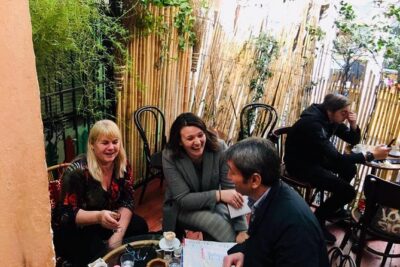
Tirana Walking Tour: History, Culture &Gems by a Passionate Guide
Read our review →
Semi – Private Tour at Cape of Rodon; Hidden Beaches & History
Read our review →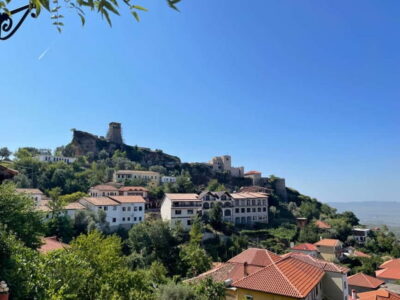
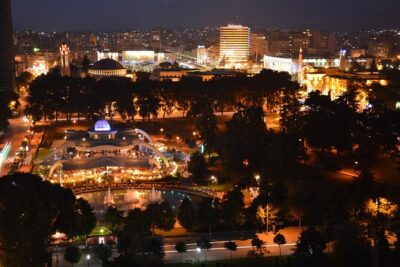
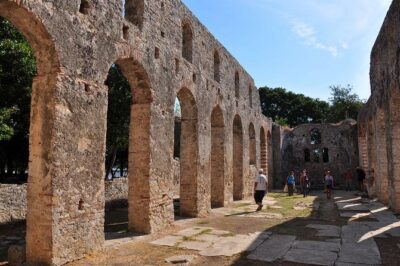
Ancient City of Butrint, UNESCO World Heritage site – A Must
Read our review →Browse the lists this tour appears in