
Reviewed · APOLLONIA & ARDENICA
Apollonia & Durres | History & Local Food
This is an excellent day if you like your travel a little bit academic, then a little bit delicious. You start at Apollonia with an on-site archaeologist who explains what you’re seeing, then you roll into Durres for major ruins and street art in one continuous sweep.
I especially like the small-group size, capped at 8 people, because it makes it easy to ask real questions instead of shouting over bus noise. I also like that lunch is in the countryside near Apollonia, not in a generic tourist strip.
One consideration: the day is tightly packed into a full 10 hours, so you will want a flexible pace, especially if you get slow-footed in heat or want longer photo stops.
Key highlights you will actually feel on the day
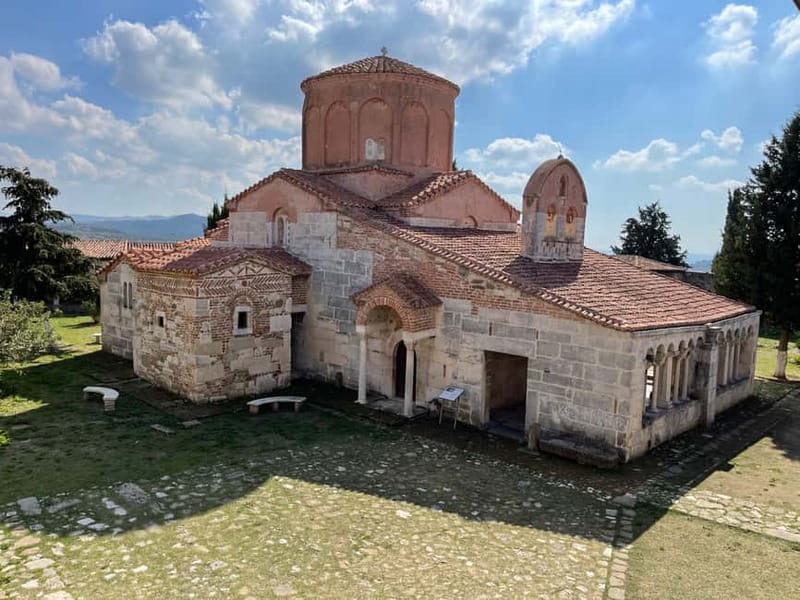
- Apollonia with an on-site archeologist: temple remains, the Odeon, the Triumphal Arch, and more, explained as you walk.
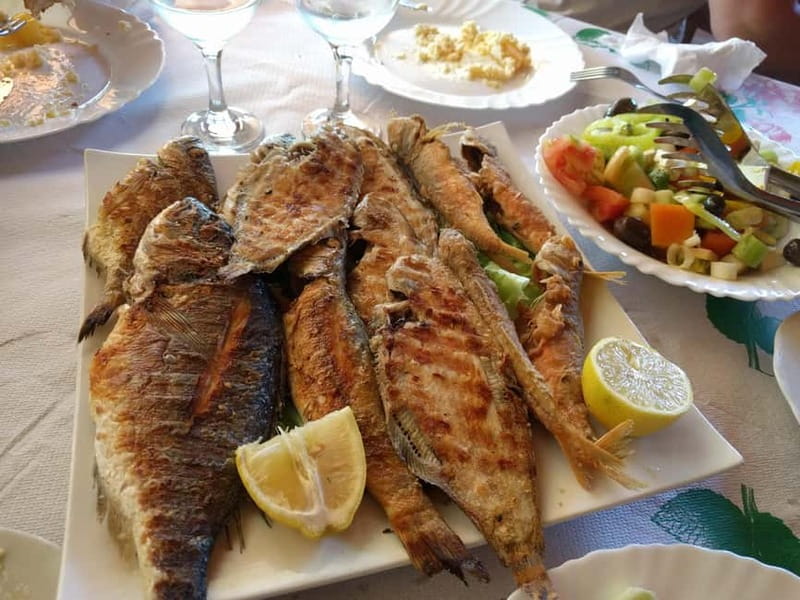
- Countryside lunch near Apollonia: a real local restaurant stop with a set meal, not a menu buffet.
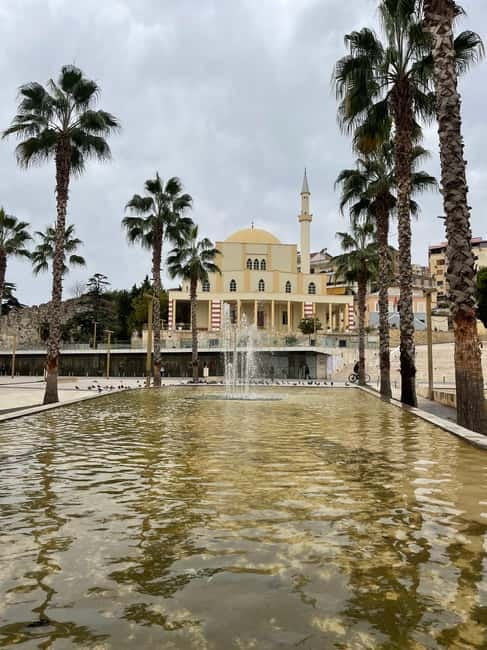
- Durres ruins plus street art: you see Roman and Byzantine layers alongside modern murals.
- Durres Amphitheatre time: a focused slot, not just a quick photo break.
- Coffee break with city views: a short pause that helps you recharge before the final drive back.
Why Apollonia and Durres work so well together
Apollonia and Durres are different sides of the same story. Apollonia gives you the ancient “why,” with major public monuments tied to Greek culture and later use. Durres gives you the “how it lived,” with Roman and Byzantine remains layered into a seaside city that still feels lived-in today.
This combo makes sense because it keeps your brain switched on. One half-day you’re reading stone like a textbook, the next half-day you’re walking through streets where newer art sits beside older walls. If you like connecting the dots, this format makes it easier than doing everything solo and hoping you’ll piece it together later.
Getting there: pickup options, small-group pace, and the 10-hour rhythm
You can start from Tirana or Durrës, with hotel pickup at the tour start time. That flexibility is handy because it reduces the “where do I meet?” stress that can eat up a morning.
The group stays small, limited to 8 participants. That matters more than you might think. With fewer people, your guide can pause for questions, and you can keep a steadier pace instead of getting stretched out from the bus like a stray ribbon.
The day runs about 10 hours, so think of it as an efficient guided loop, not a slow roaming day. You will have enough time at the big sites to feel oriented, but you should still plan to move when the group moves. If you hate time pressure, you might find yourself wishing for an extra hour in Durres, especially around the Amphitheatre.
Apollonia guided by an on-site archeologist, from Artemis to the Odeon
Apollonia is the kind of place where context changes everything. You can stand in front of ruins and guess, or you can have an on-site archeologist point out what each structure was likely for and how it fits into the bigger story.
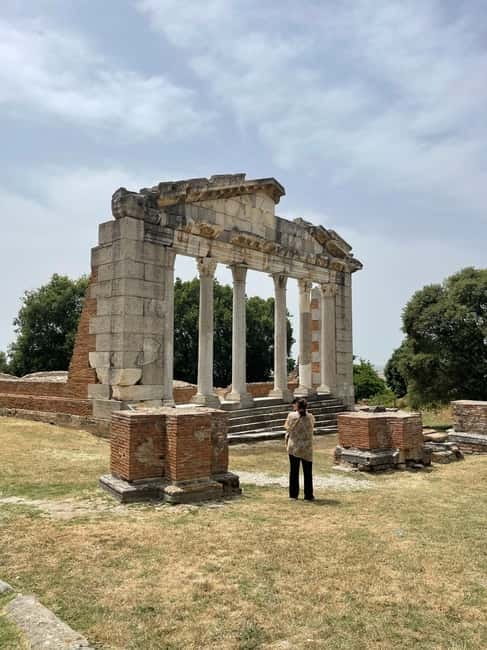
Your Apollonia walk runs about 1.5 hours and focuses on key monuments, including the Temple of Artemis, the Odeon, and the Triumphal Arch. Each stop is explained in plain language, so you’re not just collecting names. You start to recognize patterns, like how public buildings signal power and civic life, and how different eras leave their mark on the same ground.
What I like most about doing this with an archaeologist is that the explanations help you “read” fragments. You begin noticing details that would otherwise feel random. Even if you’re not a monuments person, you’ll likely come away with a clearer mental map of what Apollonia used to be.
A practical tip: wear shoes you trust for uneven surfaces. These sites are outdoors, and your comfort will affect how much you absorb. Also, bring a bit of patience for the walk tempo. The point is understanding, not speed-running photos.
Lunch near Apollonia in the countryside, with real local flavor and fewer choices
After Apollonia, you head to lunch near Fier County, in a local countryside restaurant. Lunch is scheduled for about 2 hours, which is enough time to eat without feeling rushed back onto the road.
The best part is the setting and the fact that it’s part of the local food experience. You’re not just paying for transportation and sites. You’re also buying into a taste of how people eat away from the main tourist routes.
The main thing to consider is that lunch is a set experience, and choice may be limited. One past guest noted that a selection would be nice, and mentioned that the main course can be fish-based. If you have dietary restrictions or you prefer not to eat fish, it’s smart to flag that early to the tour director so the kitchen knows.
If you’re adventurous, this is a good moment to go with the flow. You’ll likely taste something you won’t replicate at home, and it keeps the day from becoming purely “sightseeing calories.”
Durres city walk: walls, towers, forums, thermal baths, and street art
In the afternoon you move to Durrës for a guided city tour focused on major historic remains. This portion is about 45 minutes, which is just enough time to get the lay of the land and know what you’re looking at when you stop.
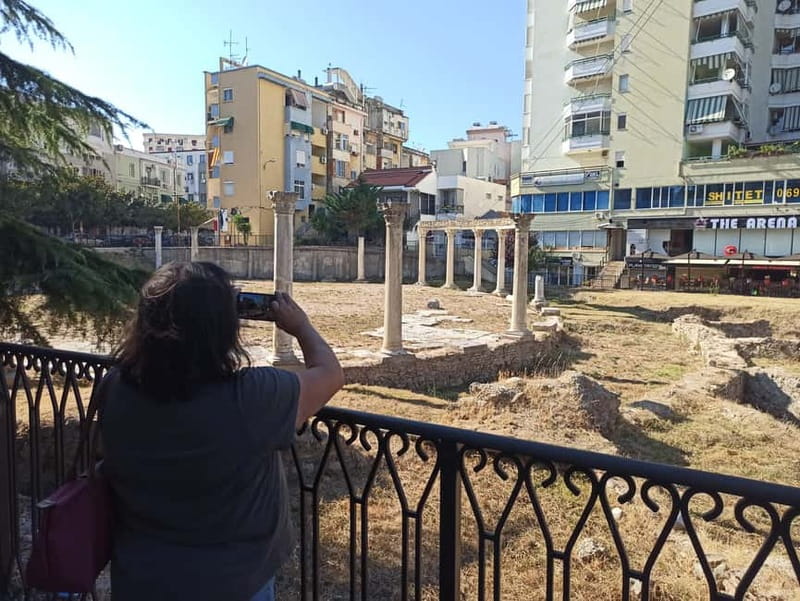
You’ll cover highlights such as the City Walls and the Venetian Tower, along with the Byzantine Forum. You also visit Roman-era Thermal Baths, which is a great reminder that “Roman ruins” aren’t just columns and arches, they’re everyday-life spaces scaled up for public use.
Then you get something that many ruin-heavy days lack: street art mixed into the experience. It makes Durres feel less like an open-air museum and more like a living place. That contrast is part of the charm. Your eyes adjust from old stone to new color, and you get a fuller sense of the city’s personality.
You will also take a coffee break with a view of the city. That pause is more valuable than it sounds. When you’re walking through multiple eras in one afternoon, a quiet coffee stop helps you process what you’ve already seen before you hit the Amphitheatre.
One downside of a compact city walk: you’ll likely wish you had more time to wander on your own. That’s not a flaw in the tour, it’s just the nature of fitting several major areas into a single day. If you want extra wandering, plan a day in Durres separately.
Durres Amphitheatre: why the extra focus matters
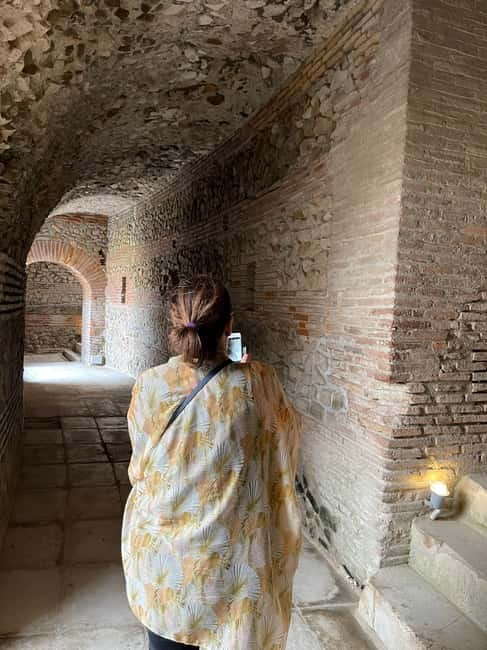
The Durres Amphitheatre is where the day tightens into something memorable. You get a guided slot of about 45 minutes, which is enough time to understand the structure and not just take a quick look.
Amphitheatres are tricky ruins. From a distance, they look like big ovals of stone. Up close, they start telling you about crowd design, movement, and how public entertainment shaped city life. Having a guide here helps you notice how the space was meant to function, not just what’s left standing.
If you like Roman architecture, you’ll appreciate that this isn’t treated as an afterthought. It’s a real stop with time set aside for explanation. And if you prefer modern art and street scenes, the Amphitheatre still adds a powerful anchor for understanding why Durres matters in the first place.
Photographs will be better if you move when the group moves. Waiting for the perfect shot can turn into lagging behind. The tour pace keeps you aligned with the guide’s best viewpoints and timing.
The guide makes or breaks the day, and the tour has a track record
The tour runs with a tour director plus live guiding in English and Italian. That bilingual setup is useful if you’re traveling with someone who prefers Italian, or if you’re more comfortable switching between both.
What stands out from guide feedback is consistency and friendliness. Guides named in past groups include Flori, Mimi, Ermal, Bruci, and Edvin. People praised them for being friendly, on time, and ready to answer questions. One guest also described how a guide was accommodating when illness forced a shortened day, which tells you the human side is taken seriously, not treated like an afterthought.
I also like that you’re not just listening to one person read a script. You’re walking from monument to monument while the explanation stays tied to what you’re seeing. That structure helps you remember details later, like the purpose of the Odeon or why the Triumphal Arch sits where it does.
Price and value: what $217 buys you in real terms
At $217 per person for about 10 hours, the price looks steep until you break down what’s included. You’re paying for transportation, a tour director, lunch, a live guide, and entrance fees for museums and archaeology sites. You also get a coffee break, plus the benefit of skipping ticket lines.
If you planned this yourself, you’d spend money on transport either way, then add site admissions one by one, then pay for a guide or pay for your own interpretation. Even if you keep transport costs low, you still lose the “explanation factor,” which is a huge part of why Apollonia feels worth it.
So the real question is whether you want guided context. If you do, this price becomes easier to justify. If you’re the type who loves wandering alone and reading quietly from guidebooks, you might be better off building a DIY day. But if you want the day to flow and make sense fast, the included guidance is doing real work.
Group size helps too. In a small group, the cost per person stays focused, and you avoid paying for wasted time waiting for a large bus to gather everyone.
Who this tour suits best, and who should think twice
This is a strong fit if you want a guided day that covers two major destinations without splitting your plans. It’s also a good choice if you care about explanation, especially at Apollonia where the archaeologist-led context makes the ruins easier to understand.
It works well for couples and small groups who can handle a set schedule. If you enjoy history but don’t want to be stuck in museums all day, you’ll probably like the rhythm here: ruins, lunch, ruins, then a guided Amphitheatre visit.
Consider thinking twice if you’re extremely sensitive to time constraints. The schedule is packed, and Durres in particular is compressed into a short city walk plus a focused Amphitheatre stop. If you want a lot of independent wandering and long meals, you may need a second day in Durres or a separate, slower Apollonia visit.
Should you book? My practical call
Book it if you want one efficient day that pairs archaeology with local food, then finishes with Durres ruins and street art. The small group size, English or Italian live guiding, entrance fees, and included lunch and coffee make it feel more like a full service cultural day than a basic transfer.
Skip or reconsider if you hate set meals or if you have strong dietary needs you’re not comfortable communicating. Also, if you prefer slow travel, plan for extra time on your own after the tour so the Amphitheatre and Durres streets don’t feel rushed.
If you want your Albania day to connect the dots, this is one of the cleaner ways to do it.
FAQ
How long is the tour?
The tour runs for 10 hours.
Where are the pickup and drop-off points?
Pickup is available from hotels in either Durrës or Tirana. Drop-off is available in both Tirana and Durrës.
What languages is the live guide available in?
The live tour guide provides narration in English and Italian.
What is included in the price?
The price includes transportation, a tour director, lunch, an on-site archeologist guide for Apollonia, museum and archaeology site entrances, and a coffee break. Ticket lines are also skipped.
Is this a small group tour?
Yes. The group is limited to 8 participants.
What cancellation flexibility do you get?
You can cancel up to 24 hours in advance for a full refund, and you can reserve now and pay later.
More Places to Eat Your Way round Apollonia
- Tirana: Traditional Cooking Class with Wine & Raki Tasting
★ 5.0 · 284 reviews - Cooking Classes and Traditional food tasting in Tirana
★ 5.0 · 282 reviews - Traditional Albanian Cooking Class in Tirana & Raki Tasting
★ 5.0 · 266 reviews - Local food experience & walking tour of Tirana
★ 5.0 · 192 reviews
More of Apollonia and Ardenica
- From Vlora : Zvernec, Apollonia and Berat Day Trip Experience
★ 5.0 · 16 reviews - 1001 Windows of Berat & Golden Sunset in Apollonia
★ 5.0 · 16 reviews - Ancients and Ottomans – Apollonia and Berat
★ 5.0 · 11 reviews - Day tour to: Apollonia, Narta Lagoon & Zvernec Monastery
★ 4.9 · 11 reviews
Apollonia & Ardenica, compared.
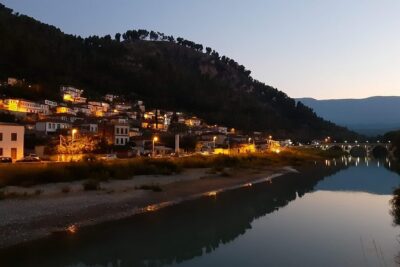
1001 Windows of Berat & Golden Sunset in Apollonia
Read our review →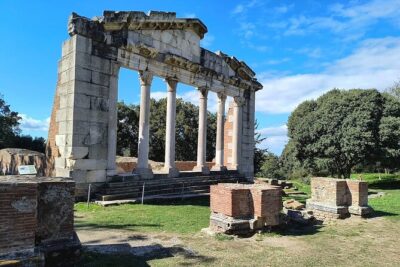
Zvernec, Apollonia and Berat Day Trip Experience
Read our review →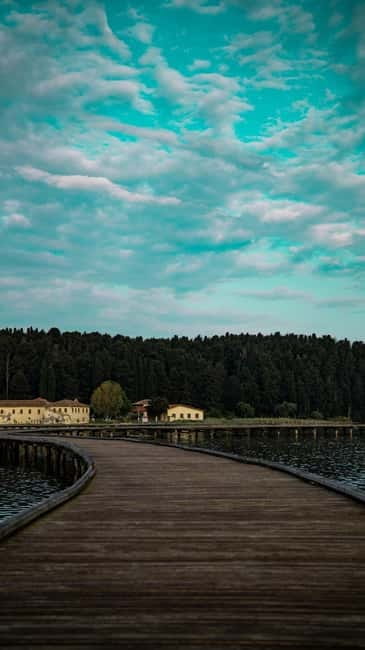
Day tour to: Apollonia, Narta Lagoon & Zvernec Monastery
Read our review →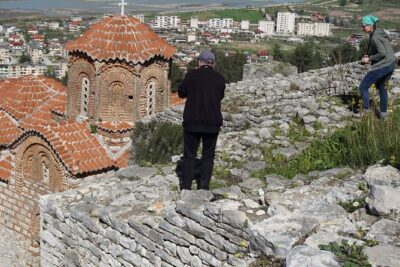
Zvernec, Ardenica, Local Winery & Food Experience
Read our review →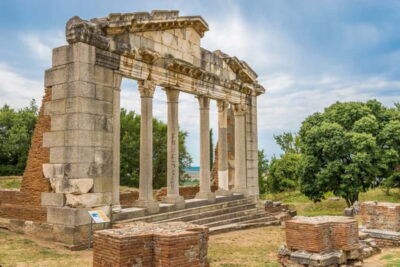
Full Day Trip to Durres, Apollonia and Ardenica Monastery
Read our review →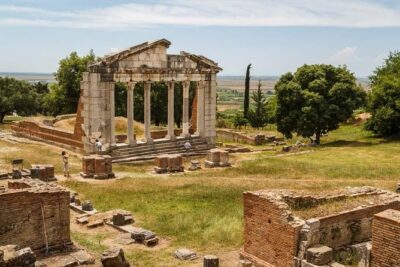
Explore Berat(UNESCO) and Apollonia from Tirana/Durres
Read our review →Browse the lists this tour appears in