
Reviewed · KRUJA DAY TRIPS
Tirana and Kruja Full Day Tour
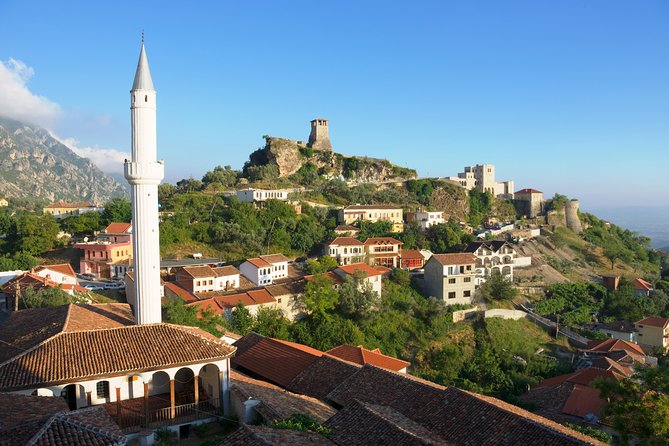
Tirana and Kruja in one day is an interesting mix because you get Albania in layers, Ottoman-era details and communist-era oddities in Tirana, then fortress-top culture in Kruja. I like that the day includes hotel pickup and round-trip transport, so you are not stitching together buses and taxis.
What I really love is the tight focus on the big stops, especially Skanderbeg Square and the Enver Hoxha Pyramid, plus museum time in Kruja that explains how the country became itself. A second win is the value math: entrance tickets are included where they matter most, so the cost stays predictable.
One thing to consider: it is a long day (about 6 to 8 hours) with multiple walking segments, so comfortable shoes and weather prep are not optional.
Key highlights at a glance
- Small group size (max 12) for easier pacing and better questions
- Hotel pickup and drop-off plus air-conditioned transport between Tirana and Kruja
- Entrance fees included for key Kruja museums, with other major sights free
- Tirana stops that show contrasts, from the Clock Tower to the Enver Hoxha Pyramid
- Kruja time that feels local, including Pazari i Vjeter and museum visits at the castle
Value and logistics: what this day trip really costs
This tour is $96.12 per person for a full day that strings together two of the most recognizable destinations in the country. The price includes round-trip transport with A/C, a driver/guide, and hotel pickup and drop-off, which matters because Tirana and Kruja are not next door.
The best value lever here is that entrance fees are handled for the main indoor stops. You get admission included for the Skanderbeu (George Castriot Skanderbeg) Museum and the Ethnographic Museum in Kruja. Other stops on the Tirana side are free admissions, like the Skanderbeg Square monuments area and the Enver Hoxha Pyramid.
What is not included is also clear. Meals and drinks are on you, tips are on you, and any optional activity costs are separate. If you plan to add the optional traditional Albanian lunch, budget for it now so the day stays easy.
More Kruja Day Trips in Tirana
- Kruja castle, the old Bazaar & Sarisalltik- Departure from Tirana
★ 5.0 · 592 reviews - From Tirana/Golem/Durres: Kruja, Bazaar, Sari Salltik Tour
★ 4.8 · 471 reviews - From Tirana: Bovilla Lake, Gamti Mountain and Kruja Day Tour
★ 4.5 · 146 reviews
Tirana clockwork and political contrasts: your guided walk through the capital
Your Tirana time works well because it is not just a quick sightseeing drive. You get a proper walk-and-look sequence that hits history from multiple eras, and the details make the city feel real.
The Clock Tower, Ottoman style with a Venice bell
One of the most fascinating facts you pick up here is how “local” objects became international. The clock tower was built by the Ottoman Turks in an Islamic style, and the tower’s mechanism includes a bell from Venice rung every hour. It was managed by watchmaker Ismail Tufina, noted as the first watchmaker in 1822.
Then reality hits: the clock was damaged in 1916 during World War I. The replacement mechanism took until 1928, when a new one was purchased in Germany for 13,300 golden francs. The funding came from wealthy city families and the Tirana Municipality, with Arif Tufina and his sons installing it. Because the new mechanism was bigger than the original tower, the builders added an extra five meters plus a new roof.
For you, the payoff is simple. This is one of those places where your brain stops treating Tirana as a blur of buildings, and starts clocking how power and trade moved around Europe and the Ottoman world.
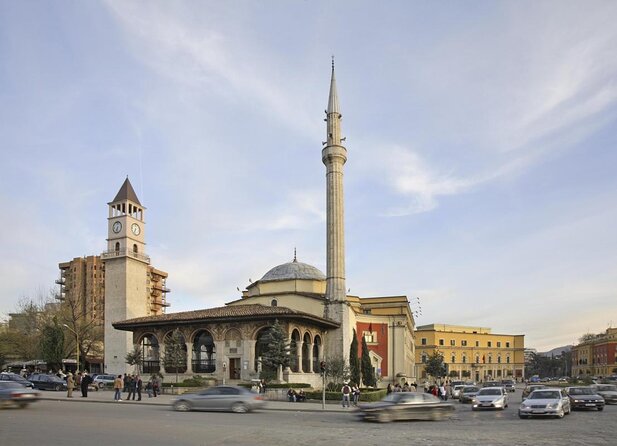
A major mosque in the old center, built in the late 1700s to early 1800s
Right after the clock tower, the tour focuses on another anchor of the historical center. Construction began in the 1790s, attributed to Molla Bey, and finished between 1819 and 1821 by his son Haxhi Ethem Bey, who is described as a grand-grandson of Sulejman Pasha.
At the time, this mosque sat inside a larger complex tied to the historical district, with the old bazaar in front and other major religious sites nearby. The context matters because it explains how Tirana’s old center functioned, not just what a building looks like.
The practical downside? It is a short stop, so you will get the storyline, but you will not have time to do deep exploring on your own. If you love architecture, take a moment for photos and move on while the guide’s explanation is still fresh.
Other Kruja castle and bazaar days:
- From Tirana: Bovilla Lake Hiking and Kruje City Tour
★ 5.0 · 108 reviews - Hiking to Gamti, Bovilla Lake and Kruja Day Trip from Tirana
★ 5.0 · 107 reviews - From Tirana: Krujë Day Trip with Krujë Castle & Old Bazaar
★ 4.8 · 71 reviews - Gamti, Bovilla Lake and Kruja Day Trip from Tirana
★ 4.9 · 69 reviews
Skanderbeg Square and the monument that shapes the city plan
Skanderbeg Square is the capital’s main plaza, and the tour treats it like a hub rather than a checkpoint. You will see the Skanderbeg Square area, named for national hero Gjergj Kastrioti Skënderbeu, with the monument dominating the space.
You also learn something useful about how Tirana grew into itself. The city plan was initially designed by Armando Brasini in 1925 and continued by Florestano Di Fausto in a Neo-Renaissance style. After the Italian invasion, the master plan was updated in 1939 by Gherardo Bosio.
This helps you connect dots fast. When you understand that the square is part of a larger planned layout, you walk differently through the streets, you notice axes and building types, and the day feels more organized.
The Enver Hoxha Pyramid, a communist-era structure with a built-in question mark
The Enver Hoxha Pyramid is the kind of stop that makes people tilt their head and pay attention. It opened in 1988 as the Enver Hoxha Museum, originally designed to present the legacy of Enver Hoxha, Albania’s communist leader.
The structure has a very specific design story. It was co-designed by Pranvera Hoxha, Hoxha’s daughter and an architect, and her husband Klement Kolaneci, together with Pirro Vaso and Vladimir Bregu. It is also described as having been the most expensive individual structure ever built in Albania.
Even if you do not love museums, you will likely enjoy this stop because it is a physical artifact of a political era. You can read it without needing a long audio guide.
Kruja’s castle world: museums, ethnography, and the bazaar you can browse for real
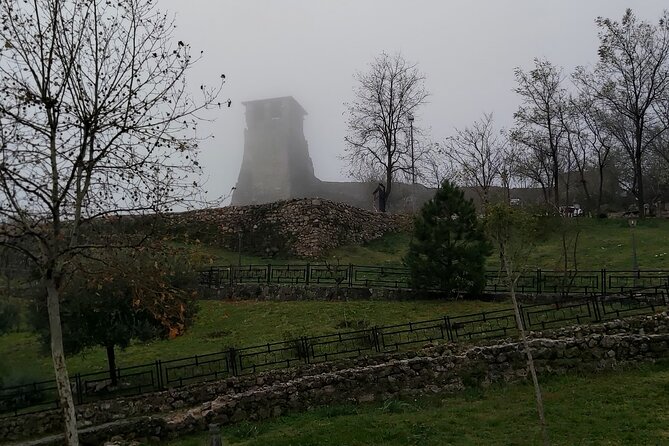
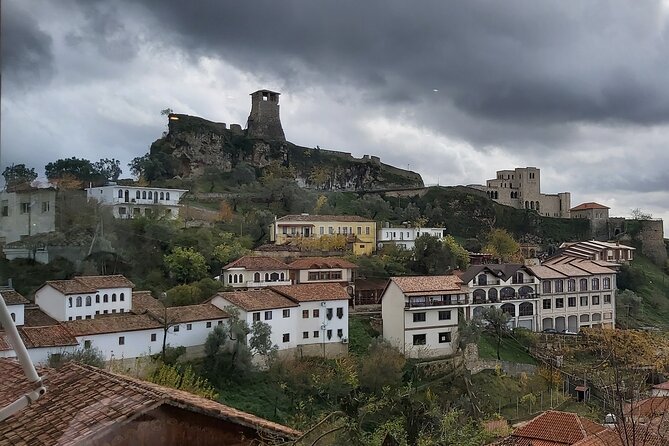
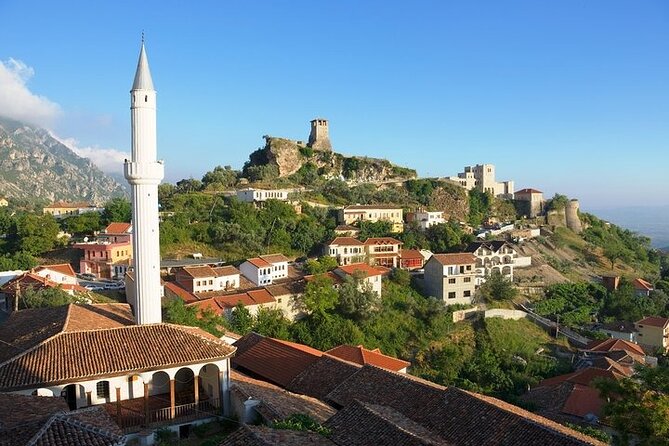
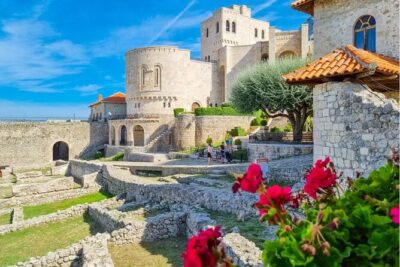
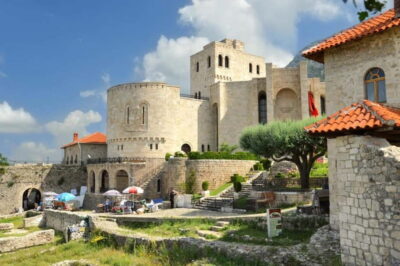
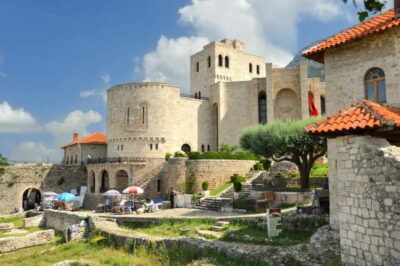
After Tirana, the day shifts into a more medieval-feeling setting, and Kruja is where Albania’s identity story becomes much easier to picture. The Skenderbeu Museum sits at the castle, and the tour gives you time to absorb the setting instead of rushing across it.
The Skenderbeu Museum at Krujë Castle
You spend about an hour at Museumi Gjergj Kastrioti in Krujë Castle, with admission included. The museum is described as one of Albania’s most important and visited museums, built at the end of the 1970s and inaugurated in 1982.
What I like about how this stop is set up is the way it combines architecture and narrative. The memorial-style architecture takes inspiration from traditional Albanian stone towers and medieval Romanesque forms. You also learn about the people behind it, including architects Pirro Vaso and Pranvera Hoxha, and the local construction team led by Robert Kote.
Then there is the castle itself, which gives your museum visit weight. Ottoman troops attacked the castle three times, in 1450, 1466, and 1467, but failed to take control. That fortress resistance is framed as central to how George Kastrioti Skanderbeg defended Albania from the Ottoman invasion.
For you, that means the museum does not sit in isolation. You are standing inside a setting that helps the story stick.
The Ethnographic Museum: customs and traditions across centuries
Next comes the Ethnographic Museum of Kruja, around 40 minutes with admission included. This stop is less about battles and more about everyday life over time, with a focus on Albanian customs and traditions.
If you enjoy understanding how culture feels in day-to-day routines, this museum is the right counterbalance. It is also a nice break if you spent too much of the morning in plazas and open squares.
One practical consideration: ethnographic exhibits can move at a calm pace, so if you are someone who likes lots of action, you may want to keep an eye on time so you still leave room for the bazaar.
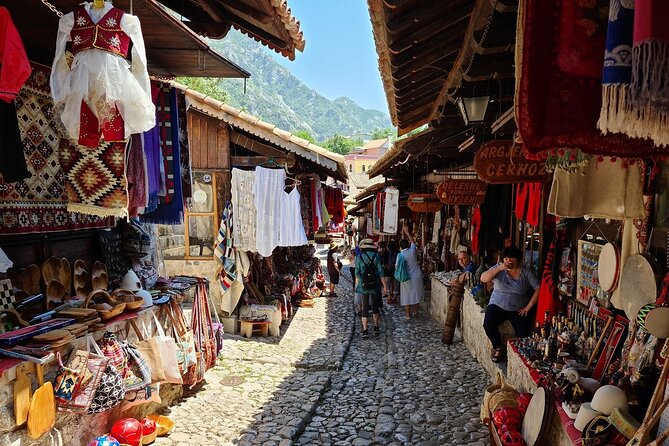
Pazari i Vjeter, shopping and slow browsing near the castle road
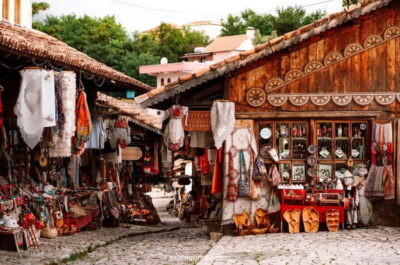
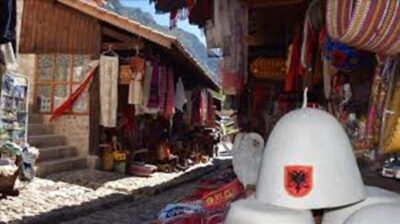
You finish with Pazari i Vjeter, the old bazaar in Krujë. It is famous for being over 400 years old and is described as one of Albania’s oldest marketplaces. The bazaar is framed as both a museum space and a functioning traditional commercial area, with traders historically using it as a starting point for free trade.
The location is also useful: it sits on the main road leading to the Castle of Kruja. That means it feels like part of the walk, not a detour.
This is where your day becomes flexible. You can browse, pick up small gifts, and chat with shopkeepers if you feel like it. Since the stop is around 40 minutes, keep your pace slow but not lost, so you do not miss your transport back.
Lunch planning: the optional traditional meal that can slow the day in a good way
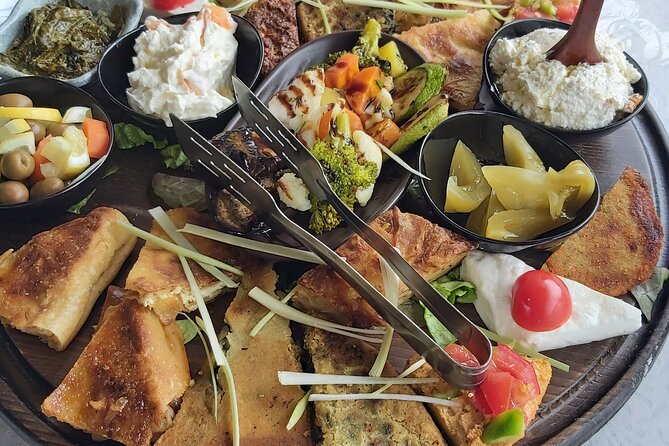
Meals are not included, but there is an optional traditional Albanian lunch at a local restaurant. Whether it is worth it depends on your style.
If you like a sit-down meal where you can reset your legs and learn something from a local setting, the lunch option is a natural fit. If you prefer to stay light and keep moving, skip it and use the time to browse the bazaar a bit more.
Either way, think about timing. A long day means you should avoid running on only snacks, especially in warmer months. Even if the lunch is optional, water and some small food earlier in the day helps you keep energy for the afternoon museums and market time.
The guide and driver factor: why names like Ilir and Iris matter
One of the strongest themes tied to this tour is staff quality. You get a driver/guide, and the day tends to feel smooth because people are praised for being attentive, friendly, and responsive.
Specific guide names show up repeatedly, including Ilir and Iris, with Illya mentioned for driving. Other names you might see connected with the experience include Abdul as a driver and Ed as a guide. The pattern matters more than the letters: you are not just buying a bus ticket, you are buying interpretation, and that is what turns Tirana and Kruja from a list into a story.
You also benefit when the guide keeps the tone practical. Multiple examples point to answers in detail and a day that feels efficient rather than rushed. I like that because a good guide helps you choose what to look at first, and then you get to enjoy the rest on your terms.
How to make the most of a 6 to 8 hour day
This is a time-efficient tour, but it is still a full day. You should plan for transit between Tirana and Kruja, plus walking and museum time in both places.
Wear and pack for comfort
Bring comfortable shoes. You will be moving through plazas and museum areas, and Kruja is a castle setting, so expect uneven spots and stairs in and around the hill area.
If weather is changeable, pack a light layer. One pattern in the feedback is that the experience keeps working even when conditions are not ideal, which usually means the guide adjusts pacing so the day stays enjoyable.
Keep your phone charged
You get a mobile ticket, which is great for avoiding printed paperwork clutter. Still, keep your phone charged and camera memory cleared, especially since multiple stops invite quick photo breaks.
Think about your browsing strategy
The bazaar time is your main shopping window. If you want souvenirs, decide in your mind what you are hunting for, then browse in that direction instead of getting lost in every stall.
Who should book this Tirana and Kruja tour, and who should not
This is a strong match if you are doing Albania for the first time and you want major highlights without planning transport and admissions yourself. The max group size of 12 also makes it work well if you like asking questions and getting answers in plain language.
It is also a good fit if you enjoy history that spans different eras. The day moves from Ottoman clockwork and architecture, to Italian-influenced city planning, to communist-era symbolism, then back to fortress history and everyday cultural exhibits.
I would think twice if you hate long days or want a slow, unstructured wander. This tour is designed to cover a lot with a guide, so the pace may feel tight if you are the kind of traveler who wants to linger in one place for hours.
Final call: should you book it
Yes, you should book this tour if you want a high-value day that connects Tirana and Kruja in a way that makes sense. The price is easier to swallow because transport, pickup, and key entrance fees are included, and the stops are chosen for real contrast rather than random sightseeing.
If you care most about shopping, you may find the bazaar time satisfying but not overwhelming. If you care most about history, you get strong story anchors, like the Clock Tower mechanism details, Skanderbeg Square planning, the Enver Hoxha Pyramid design credits, and the castle siege context.
Just go in with realistic expectations. It is a full day, so show up ready to walk, and you will leave with a clearer picture of Albania than you would from a quick self-guided route.
FAQ
How long is the Tirana and Kruja full day tour?
It runs about 6 to 8 hours.
What does the price include?
The tour includes air-conditioned transport, a city tour of Tirana and Kruje, the driver/guide, and hotel pickup and drop-off.
Are entrance fees included?
Yes. Admission is included for the Skenderbeu Museum and the Ethnographic Museum of Kruja, while other key stops on the Tirana side are listed as free.
Is lunch included?
Meals and drinks are not included. Traditional Albanian lunch is optional at a local restaurant.
What language is the tour in?
The tour is offered in English.
Is pickup available from my hotel?
Yes, hotel pickup and drop-off are included.
How big is the group?
The maximum group size is 12 travelers.
Do I get a mobile ticket?
Yes, the tour uses a mobile ticket.
Are children allowed?
Children must be accompanied by an adult.
What is the cancellation policy?
You can cancel for free up to 24 hours before the experience start time for a full refund.
Newly listed around Tirana
- Private Day Tour of Saranda Gjirokaster,Butrint from Tirana★ 5.0 · 3 reviews
- From Tirana: Visit Prizren city and Kukesi lake★ 5.0 · 3 reviews
- Rafting And Swimming Adventure on the Black Drin River★ 5.0 · 3 reviews
- Private Transfer: Tirana Airport&City to/from Dhërmi★ 5.0 · 3 reviews
- 3 Hour Pub Crawl Tour in Tirana★ 3.5 · 3 reviews
- Tirana: Bovilla Lake & Gamti Mountain 4×4 Off-Road Tour★ 5.0 · 3 reviews
- Tirana/Durres: Saranda, Ksamil, Blue Eye & Vjosa River Tour★ 4.7 · 3 reviews
- From: Tirana and Shkoder: Theth & Blue Eye Full Day Tour.★ 5.0 · 3 reviews
Kruja Day Trips, compared.
Kruja castle, the old Bazaar & Sarisalltik- Departure from Tirana
Read our review →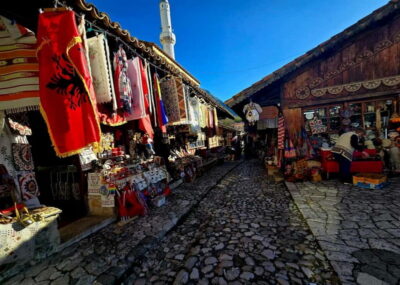
Bovilla Lake, Gamti Mountain and Kruja Day Tour
Read our review →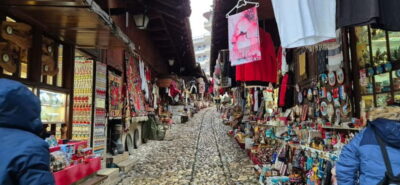
Browse the lists this tour appears in