
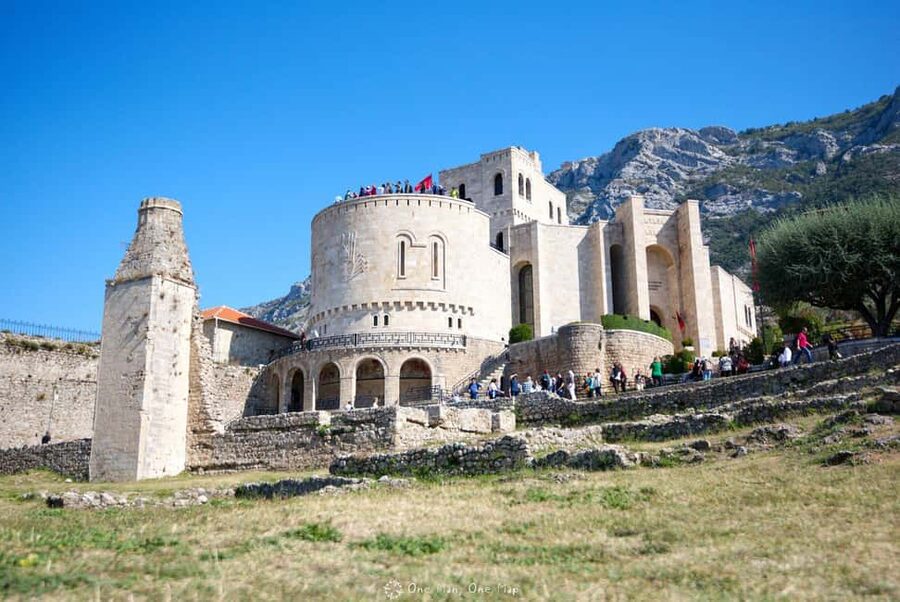
Reviewed · KRUJA DAY TRIPS
From Durres & Golem: Kruja Castle, Old Bazaar
Krujë is interesting because Albania’s national story turns physical here, not just something you read in a book. I love walking through Krujë Castle with its Skanderbeg context, and I love the Old Bazaar where you can actually shop for local craftwork. The main drawback to plan for is that it is mostly on foot, with uneven cobblestones and some stairs, so good shoes matter.
What makes this tour work is the pacing. You get history first, then you switch gears to culture and shopping, so the day feels balanced instead of rushed. One thing to keep in mind is that museum stops include extra costs for the ethnographic visit, and you will also want to handle your own food and drinks.
I also like that the day is built around real orientation: pickup from Durres or Golem, a drive into Krujë, and a guided route that keeps you from wandering in circles. If your guide is someone like Helena, Aurel, or Dion, the storytelling tends to land, with humor and clear answers.
Key takeaways before you go
- Skanderbeg’s story made concrete at the castle and Skanderbeg Museum, including museum displays tied to 15th-century resistance.
- Onufri Museum iconostasis inside the castle, a standout for anyone who likes sacred art and craftsmanship.
- Old Bazaar shopping with local hands for souvenirs and handcrafts, not just mass-market items.
- Ethnographic Museum in an Ottoman-era house, recently renovated and worth budgeting a ticket for.
- Guides who actually explain history with personality, including examples like Helena, Aurel, and Dion.
- Bring practical items like water and sun protection, plus good footwear for slipperier stones.
Krujë and Skanderbeg, why this day trip feels worth the effort
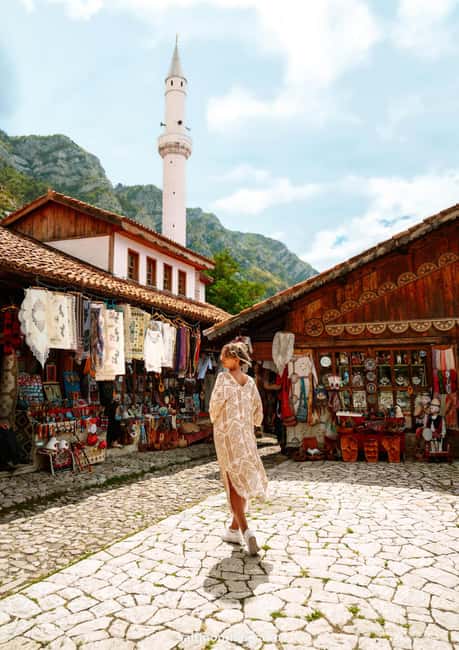
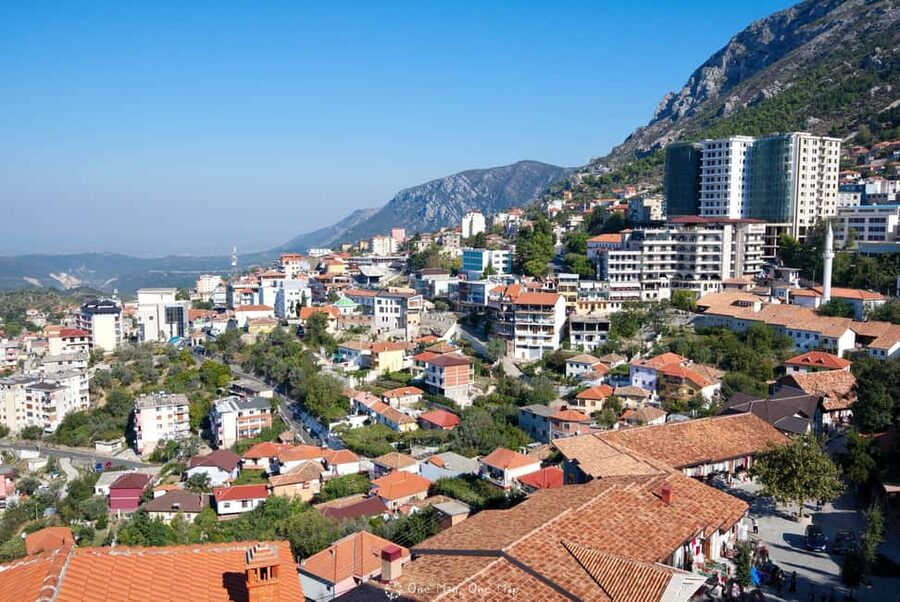
If you are basing yourself in Durres or Golem, Krujë can feel like a big detour on paper. In real life, the trip pays off because the town concentrates a lot of what draws people to Albania in one compact loop: national identity, Ottoman-era architecture, and a working craft scene.
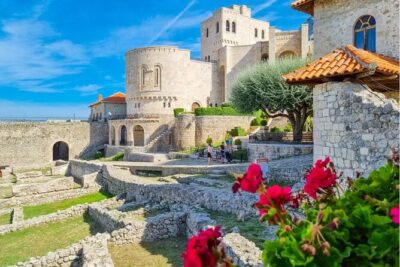
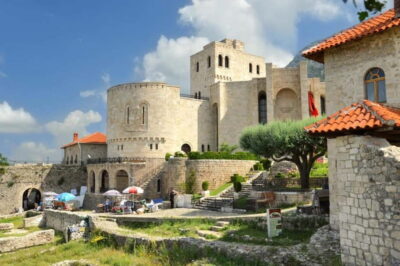
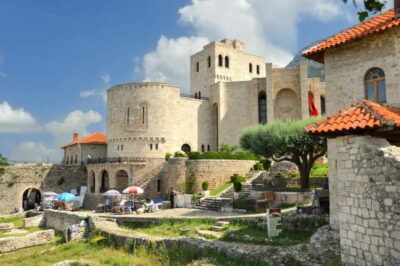
The castle area is the heart of it. It is not just a viewpoint and a couple of walls. You are walking through the setting that connects the legend of Skanderbeg to Albania’s wider history with the Ottoman period. The Skanderbeg Museum then adds context in a guided way, so you are not staring at artifacts wondering what you are looking at.
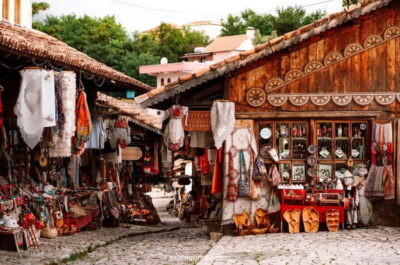
Then, the day pivots. After you absorb the history, you move into the Old Bazaar. That is where you can slow down and browse, and where you get a chance to buy something small and real, like handcrafts created by local artists.
The tone of the tour matters too. In practice, the guides can make the difference between a checklist visit and a day that sticks. People specifically highlight guides such as Helena, Aurel, and Dion for being engaging, clear, and even funny, which is a big deal when the topic is heavy.
Other Kruja castle and bazaar days:
- From Tirana: Kruja Castle, Old Bazaar & Sari Salltik View
★ 4.8 · 2,171 reviews - Durres/Golem: Kruja Castle & Bazaar with Traditional Lunch
★ 5.0 · 632 reviews - From Tirana: Durres & Kruja History and Local Food Day Trip
★ 4.8 · 38 reviews
From Durres or Golem to Krujë, pickup, timing, and getting oriented
This tour is built around hotel or meeting point pickup and drop-off, depending on your option. That is a quality-of-life win if you are staying outside the Tirana area.
After pickup, you drive for about an hour to Krujë. That time helps you arrive ready rather than stressed. Once you get there, you start with the castle area, which is usually what I recommend for first-timers, because it is the most structured and the most time-sensitive part of the day.
Transportation is by car or van with air-conditioning, which matters even when the weather is fine, because cars can still get stuffy. One practical note from experience on tours like this: you will walk in a few different zones, so plan to keep your essentials accessible, like your passport or ID, water, and sun hat.
And yes, timing matters. You do not want to show up hot and unprepared because you will be outside for parts of the visit. Bringing water is not optional, even if you think you are only going for a few hours.
Krujë Castle and Skanderbeg Museum, your must-see highlights
The day starts strong at Krujë Castle, where the Skanderbeg Museum is located. This is the place to focus if you want the national story tied to specific objects and settings.
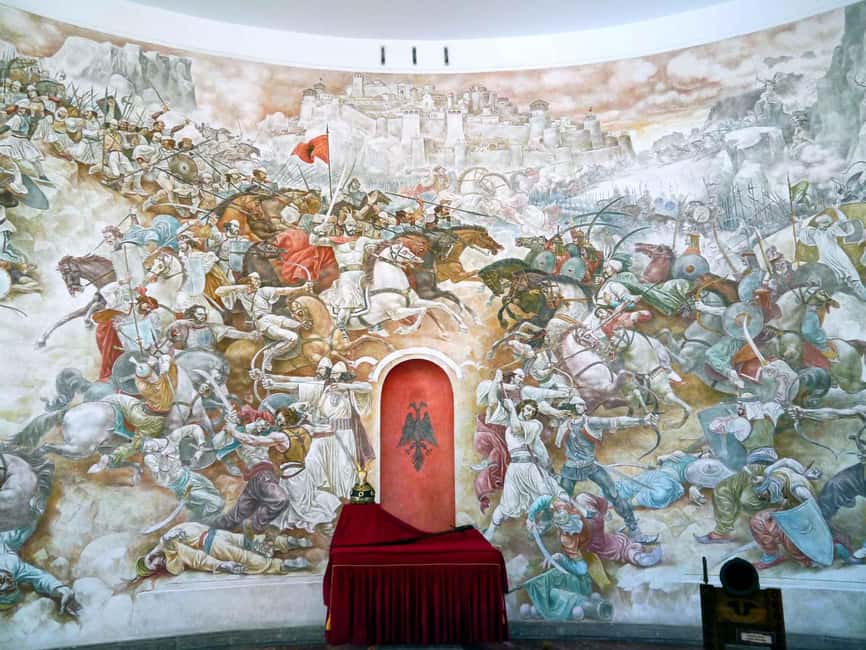
In the main hall, you will see museum displays that include a copy of Skanderbeg’s helmet and sword. Those details turn the name into something tangible. You also get visuals connected to the period, including flags and items linked to prominent families who supported the national hero. With a good guide, it becomes easier to understand how local support and resistance networks worked.
What I like about going with an English-speaking guide here is simple: it saves you from piecing the story together yourself. You get an explanation for what each display is meant to communicate, and you can ask questions without feeling like you are interrupting a museum attendant.
The visit is also guided inside the castle and the Skanderbeg Museum, which helps keep your time efficient. That matters because you are doing more than one attraction in a half-day format.
Possible drawback: if you do not care much about 15th-century history, you might find the castle-heavy portion dense. My advice is to treat the museum as context, not as a lecture. Look for the story thread, then use the Old Bazaar afterward as a reset.
The Onufri Museum iconostasis, why sacred art is a real payoff
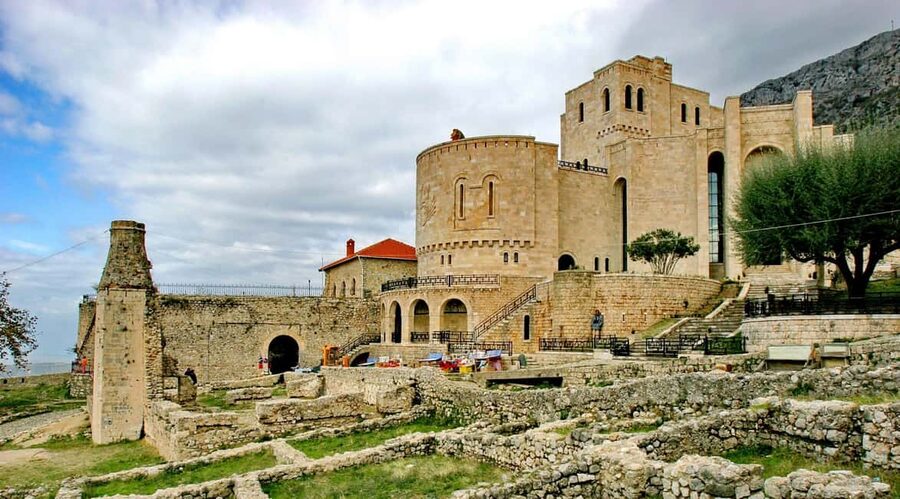
Inside the castle, you have the Onufri Museum and the carved iconostasis. Even if religious art is not your usual focus, this is often the stop that surprises people.
An iconostasis is basically a carefully carved screen that separates parts of a church interior, and here it is highlighted enough that it becomes a focal point. The craftsmanship is what you will notice first: the carving, the details, and the way the structure is meant to be read visually.
If you like art and design, this is where the tour becomes more than history trivia. It becomes a look at how belief, aesthetics, and local artistry intersected in the region.
Practical tip: if you are taking photos, check signage and keep your pace respectful. Some museums and church-adjacent spaces can be strict about flash and crowded angles.
More castles and fortresses near Kruje:
- Kruja by Night: Castle & Bazar Tour from Durres/Golem
★ 5.0 · 27 reviews - Tirana: Shkodra City, Rozafa Castle & Mesi Bridge Tour
★ 5.0 · 8 reviews - From Tirana/Shkoder: Kruja Castle, Old Bazaar, Sari Salltik
★ 4.9 · 6 reviews - From Durres/Golem: Kruja Castle & Old Bazaar Day Tour
★ 4.9 · 1,317 reviews
Ethnographic Museum in an Ottoman-era residence, a different kind of history
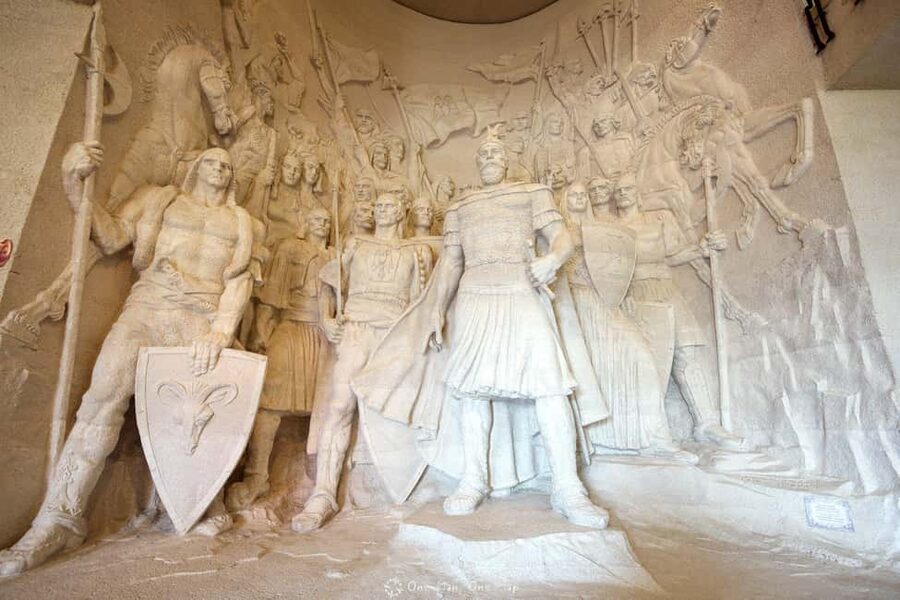
After the castle area, the tour includes the Ethnographic Museum, housed in an old Ottoman-era residence. This is a helpful shift from military history to everyday life.
The museum is described as recently renovated, and it is open for visits, which usually means the experience feels more comfortable than you might expect from older spaces. You get a glimpse into how people lived in the region during that historical period, which makes the Ottoman context feel less abstract.
Here is the budget reality: the Ethnographic Museum ticket is not included in the base price. The ticket cost is listed at 6 EUR. For many people, that is a reasonable add-on because it is one more structured interior stop, guided by the flow of the day.
A consideration: if you are short on time or only interested in one theme, the ethnographic stop might feel like an extra layer. If you want a fuller picture of Albania’s past, it is a strong choice.
Old Bazaar shopping, finding souvenirs with real character
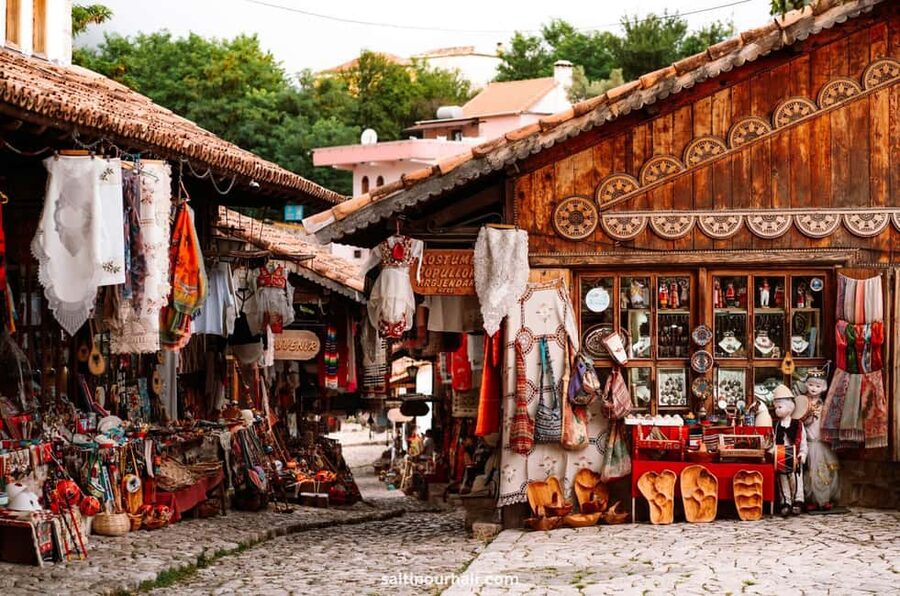
Once you have the museums behind you, you move into the Old Bazaar. This part is where you can breathe and browse, and where your wallet becomes part of the experience.
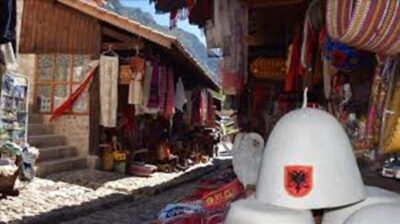
The Old Bazaar is presented as a place to find beautiful souvenirs and handcrafts by local artists. That is important because it changes how you shop. You are not just ticking off a tourist market. You are looking for items made by people connected to the town.
What to do in the bazaar: take your time, compare a couple stalls, and look for things that feel like they have some thought behind them, not just mass-produced patterns. Also, keep your expectations realistic. You might see modern designs alongside traditional styles, and you will find better value when you do not rush the first stop.
Footwear tip matters here. One traveler called out that the cobblestones can be slippery. So if it has rained, or if you are in footwear with low grip, you will want to slow down and watch your step.
If you are trying to balance shopping and sightseeing, I recommend using the bazaar window to buy only what you genuinely want. For everything else, photograph and move on.
Practical tips for a smoother day: shoes, toilets, and what to pack
This is a history and walking day, so pack for comfort. The basics listed for you are smart: bring water, a sun hat, and your passport or ID card.
Fitness-wise, the tour is recommended for people with basic fitness. That usually means you can handle walking and standing for stretches, including uneven ground. If you have heart or respiratory issues, the guidance is to consult your doctor before booking.
One specific tip from a real-world comment: the toilets at Hysen Park near the coach station are not a highlight, and one person warned they can be unpleasant and may cost extra to use. I would plan to use the most convenient option early, or at least bring the mindset that public facilities might not be your best moment of the day.
And if you have any concerns about religious rituals, read the caution section carefully. The tour notes that you may witness traditional religious rituals involving animal sacrifices at a temple. It also warns that during a visit to Sari Salltik cave, you could, though rarely, encounter local religious rituals involving animal sacrifices. If that is a concern, tell your guide in advance so they can manage expectations and route details.
Finally, remember the vehicle rules: smoking is not allowed in the vehicle, and alcoholic drinks are not allowed in the vehicle.
Price and value: is $27 for Krujë a good deal?
At $27 per person, this tour is priced like a practical add-on for people staying in Durres or Golem. The value comes from what is included: pickup and drop-off, an English-speaking guide, air-conditioned transport, and guided visits inside the castle and Skanderbeg Museum.
What you should mentally add on:
- Food and drinks, which are not included
- The Ethnographic Museum ticket (6 EUR)
- Personal expenses and shopping
When you look at the package this way, it gets clearer. You are paying for transportation out of Durres/Golem plus guided museum time plus a structured half-day loop. If you tried to do this solo, you would still spend time getting there, figuring out routes, and paying for separate entry and guide services.
So the real question for you is: do you want a guided day that keeps moving, or do you prefer independent strolling? If you want less planning and more context, $27 feels fair.
If you prefer to spend most of your time in shops, you might do better with a shorter option. But based on the inclusions here, this is built for first-timers who want the main story beats in one go.
Who this Krujë tour fits best, and who might want to skip it
This tour is a strong fit if you:
- Want a clear introduction to Skanderbeg and the castle setting
- Like museum stops that come with explanations, not just self-guided walking
- Want time for Old Bazaar shopping for local handcrafts
- Are staying in Durres or Golem and do not want the hassle of planning transport
It might be less ideal if you:
- Want a very relaxed day with minimal walking
- Prefer only art or only shopping, not both history and culture
- Are sensitive to religious ritual visuals, since the tour notes that you could witness rituals involving animal sacrifices at a temple or (rarely) at Sari Salltik cave
Should you book it? My decision checklist
Book this tour if you want one guided day that connects Albania’s national narrative to real places, then lets you wrap up with bazaar shopping. I think the best part is how the castle and museum context make the whole day feel focused, while the Old Bazaar adds an enjoyable, human side.
I would book it with confidence if you care about history explanations, and especially if your priority includes the castle museum displays and the Onufri Museum iconostasis.
If you are unsure, here is your quick checklist:
- Do you have good shoes and can you handle uneven cobblestones?
- Can you budget the 6 EUR ethnographic ticket plus your own food?
- Are you comfortable with the note about possible religious rituals, and have you informed the guide if you have concerns?
If you answer yes to those, this is a practical, value-forward way to see Krujë without turning your day into logistics.
FAQ
How long is the Krujë Castle, Old Bazaar tour from Durres or Golem?
The duration is 6 hours.
What is included in the price?
It includes hotel or meeting point pickup and drop-off (depending on option selected), an English-speaking guide, air-conditioned transportation by car or van, and a guided tour inside the Castle and Skanderbeg Museum.
Is food included?
No. Food and drinks are not included.
Do I need to pay for the Ethnographic Museum?
Yes. The Ethnographic Museum ticket is not included and costs 6 EUR.
Will there be an English-speaking guide?
Yes, the tour includes an English-speaking live guide.
What should I bring with me?
Bring your passport or ID card, a sun hat, and water.
What is the minimum age for this tour?
The tour is recommended for participants aged 8 and above.
Are there any restrictions during the tour?
Smoking is not allowed in the vehicle, and alcoholic drinks are not allowed in the vehicle.
Are religious rituals ever part of the experience?
The tour notes that you may witness traditional religious rituals involving animal sacrifices at a temple, and it also warns that during the visit to the Sari Salltik cave, it is possible, though rare, to encounter local religious rituals involving animal sacrifices. If this is a concern, you should inform your tour guide in advance.
More Markets in Kruje
- From Tirana/Durres: Kruja, Old Bazaar, Sari Salltik Day Tour
★ 3.9 · 5 reviews - Kruja castle, the old Bazaar & Sarisalltik- Departure from Tirana
★ 5.0 · 592 reviews - From Tirana/Golem/Durres: Kruja, Bazaar, Sari Salltik Tour
★ 4.8 · 471 reviews - From Durres/Golem: Kruja Castle, Old Bazaar & Sari Salltik
★ 4.5 · 169 reviews
Newly listed around Kruje
- From Tirana/Durres: Kruja, Old Bazaar, Sari Salltik Day Tour★ 3.9 · 5 reviews
- From Tirana/Shkoder: Kruja Castle, Old Bazaar, Sari Salltik★ 4.9 · 6 reviews
- From Tirana to Kruja: Walk in Skanderbeg’s Footsteps★ 5.0 · 6 reviews
- Tirana: Shkodra City, Rozafa Castle & Mesi Bridge Tour★ 5.0 · 8 reviews
- Explorer Dajti Mountain by Car★ 5.0 · 11 reviews
- Bovilla Lake & Mount Gamti: Half-Day Hiking Trip from Tirana★ 4.6 · 3 reviews
- Bovilla Lake Private Day Tour from Tirana★ 4.7 · 10 reviews
- Bovilla Lake, Hiking and Swimming, Day Tour★ 5.0 · 6 reviews
Kruja Day Trips, compared.
Kruja castle, the old Bazaar & Sarisalltik- Departure from Tirana
Read our review →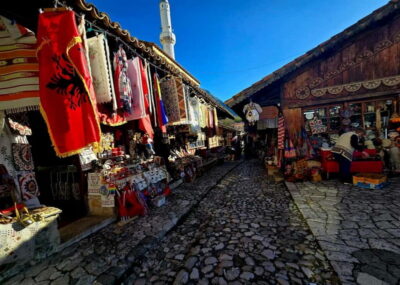
Bovilla Lake, Gamti Mountain and Kruja Day Tour
Read our review →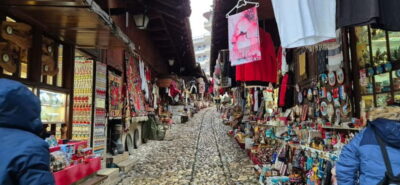
Browse the lists this tour appears in